Money decisions affect your entire household. A solid Family Financial Plan helps you stay organized, prepared, and focused. Without one, it’s easy to fall behind or feel lost. This guide shows you how to build a plan that works for your life.
Check Where Your Money Stands Now
Before you plan anything, you need to know where you are. This part is about getting clear on your money in and out. You don’t need to be perfect—just honest. Here’s what to check:
- Total income: Add up all money coming in each month (jobs, side gigs, benefits). This gives you your household income.
- Monthly spending: Track all your costs. Break them down into fixed (rent, bills), variable (groceries, gas), and extra (eating out, fun).
- Assets and debts: List what you own (assets) and what you owe (liabilities). Include savings, property, credit cards, and loans.
- Net worth: Subtract what you owe from what you own. This shows your real financial position.
Pick Goals That Make Sense for Your Life
Money needs direction. Setting goals gives you a reason to save, spend, or cut back. Don’t guess—be clear and realistic. Start with these steps:
- Short-term goals: Things you want in the next 12 months. For example, pay off a credit card, build an emergency fund, or buy school supplies.
- Mid-term goals: Plans for the next 1 to 5 years. These could include saving for a car, moving, or fixing the house.
- Long-term goals: Goals that take over 5 years. Think retirement, college funds, or buying a home.
- Talk as a family: Everyone should know the plan. It builds teamwork and keeps the goals real.
Make a Monthly Budget That Works
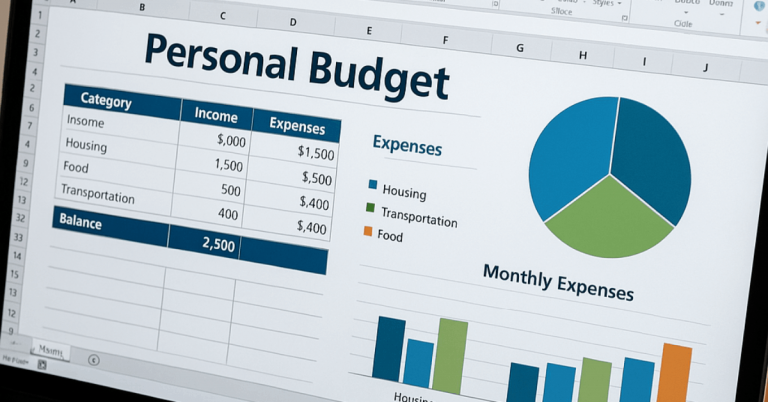
A budget shows where your money goes. It helps you stay on track and avoid surprises. Keep it simple and flexible. Here’s how to start:
- Use the 50/30/20 rule: Divide your income into three parts—50% for needs, 30% for wants, and 20% for savings or debt. This gives you a basic structure to follow without overthinking every dollar.
- Focus on essentials first: Cover the basics before anything else. That means rent or mortgage, groceries, utilities, and transportation. These are your non-negotiables—make sure they’re handled first.
- Plan for extra costs: Not every expense comes monthly. Think about birthdays, school fees, holiday spending, or annual bills. Set aside a little each month for these so they don’t throw off your budget.
- Use tools that help: Don’t try to track everything in your head. Use spreadsheets, free budget apps, or whatever system is easiest for you. The goal is to stay consistent, not to make it complicated.
Save for Emergencies Before They Happen
Life throws stuff at you—job loss, car trouble, medical bills. An emergency fund helps you handle it without using credit or loans. It gives you a buffer and peace of mind. Here’s what to do:
- Why it matters: An emergency fund keeps you from going into debt when unexpected costs hit. It’s for real emergencies—not wants.
- How much to save: Aim for 3 to 6 months of expenses. Start small if you need to, but build it up over time.
- Where to keep it: Use a separate savings account that’s easy to access but not too easy to spend. Don’t mix it with your checking account.
Deal With Debt the Smart Way
Debt doesn’t fix itself. You need a plan to manage it before it grows. Start by knowing what you owe and how it works. Here’s how to take control:
- List your debts: Write down everything—credit cards, car loans, student loans, mortgage, or any money you owe. Include the balance and monthly payment.
- Know the details: Look at each debt’s interest rate and terms. High rates cost you more over time.
- Pick a payoff strategy: Use the snowball method to pay off the smallest debt first for quick wins. Or go with the avalanche method to tackle the highest interest debt first and save more long-term. Both work—just pick the one that keeps you motivated. Stay consistent either way.
- Stop adding new debt: Think before borrowing. Avoid new credit cards, buy-now-pay-later plans, or loans you don’t need. Keep your focus on paying off what you already owe.
Protect Your Family With the Right Coverage
Insurance isn’t just paperwork—it’s protection. If something goes wrong, it helps you stay on your feet. Risk management also means planning what happens if you can’t make decisions later. Here’s what to cover:
- Health insurance: Make sure you have basic medical coverage. It keeps healthcare costs from wiping out your savings.
- Life insurance: If others rely on your income, life insurance helps cover expenses if you’re gone.
- Home and auto insurance: Protect your home, car, and belongings from damage, theft, or accidents.
- Disability insurance: If you can’t work due to illness or injury, this helps cover lost income.
- Emergency planning: Have a will and power of attorney in place. This will make things easier for your family if something happens to you.
Save for the Big Things Later
You’re not just planning for today. Some goals take time and steady saving. Think long-term and start early, even with small amounts. Here’s what to think about:
- Retirement: Start as soon as you can and build your future income by using a 401(k), IRA, or pension.
- College savings: Open a 529 plan or education account to save for your kids’ school costs.
- Buy or fix a home: Save for a down payment, repairs, or upgrades. Set a monthly goal.
- Trips or family goals: Plan for vacations or big family events. Saving a little each month adds up.
Keep Checking and Updating Your Money Plan
Money situations change. That’s why your plan needs regular check-ins. Don’t set it and forget it. Stay flexible and fix things as needed:
- Monthly check-ins: Go over your budget once a month. Look at what worked and what didn’t.
- Yearly review: Once a year, review all your income, spending, debts, and savings. Based on what’s different, make changes.
- Adjust goals as life changes: Things like job changes, new kids, or moving mean your goals and budget need updates.
- Rebalance savings and investments: Check your accounts and make sure your money is still going to the right places.
Teach the Whole Family About Money
Money skills aren’t just for adults. Everyone in the house should learn how it works. Start early and keep it simple. Here’s how to do it:
- Teach kids early: Use age-appropriate lessons like saving coins or making small choices.
- Involve teens: Let them help with budgets, saving, and tracking spending. Show them how it works in real life.
Build habits: Talk about saving and spending often. Make it normal—not a secret or stress.
The Bottom Line: Make a Plan That Fits Your Life
A Family Financial Plan helps you stay organized, reduce stress, and reach your goals. You don’t need to be perfect—just consistent.
Keep your plan simple, flexible, and updated as life changes. Small steps, done regularly, lead to long-term stability.