Personal management tips can help you save more, reduce stress, and build long-term financial security.
Many people struggle with money not because they don’t earn enough, but because they don’t manage it effectively.
Here are practical ways to take control of your finances and grow your savings.
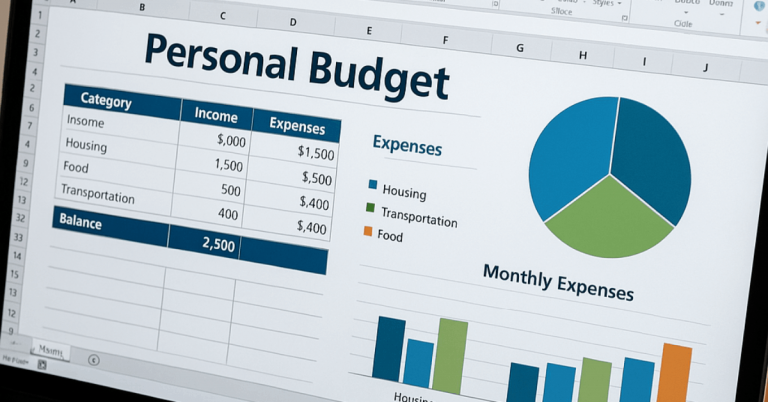
Budget & Track Expenses
A clear budget helps you control your money by ensuring you only spend within your means.
Tracking your expenses makes it easier to spot areas where you may be overspending and adjust accordingly.
- Income & Expenses: List all your income sources and fixed monthly costs like rent, utilities, and groceries.
- Tracking Tools: Use budgeting apps or spreadsheets to monitor spending patterns.
- Spending Limits: Set realistic limits for different categories such as entertainment, dining out, and shopping.
- Regular Review: Review your budget every month and adjust where necessary.

Cut Unnecessary Expenses
Many people spend money on things they don’t need.
Reducing wasteful spending allows you to save more and put your money toward meaningful financial goals.
- Cancel Subscriptions: Eliminate unused services like streaming platforms or gym memberships.
- Smart Shopping: Use discount codes, cashback offers, and compare prices before purchasing.
- Avoid Impulse Buys: Stick to a shopping list and wait 24 hours before making unplanned purchases.
- Eat at Home: Cooking at home instead of dining out saves significant money.
Save Before Spending
If you save first, you won’t be tempted to spend everything you earn. Making savings a priority ensures that you are always working toward financial security.
- Automate Savings: Set up automatic transfers to a savings account each payday.
- 20% Rule: Aim to save at least 20% of your income before spending on anything else.
- High-Yield Accounts: Use a savings account that offers high interest rates for better returns.
- Emergency Fund: Build a fund with at least 3–6 months’ living expenses.
Manage Debt Wisely
Debt can hold you back from saving and reaching your financial goals. By managing it properly, you can avoid financial stress and free up more money for savings.
- High-Interest First: Pay off credit cards and personal loans with the highest interest rates first.
- Debt Strategies: Use the snowball method (smallest debts first) or avalanche method (highest interest first).
- Avoid New Debt: Only borrow when necessary and pay more than the minimum due.
- Lower Interest Rates: Refinance loans or negotiate better terms to reduce costs.
Increase Income Streams
Earning more money gives you greater financial flexibility and increases your savings potential.
Instead of relying solely on one income source, consider diversifying your earnings.
- Side Hustles: Explore freelancing, part-time jobs, or online businesses.
- Skill Development: Invest in courses or certifications to increase your earning potential.
- Passive Income: Look into stocks, real estate, or dividend investments that generate income.
- Salary Growth: Negotiate for a raise or switch to a higher-paying job.
Smart Investments
Investing is a crucial step in growing your wealth over time. By making smart investment decisions, you can ensure financial stability in the future.
- Start Early: The earlier you invest, the more you benefit from compounding interest.
- Diversify: Spread your investments across assets like stocks, bonds, and real estate to reduce risk.
- Learn Basics: Educate yourself on investment strategies and market trends before committing money.
- Minimize Risk: Choose long-term, stable investments over short-term speculation.

Reduce Utility & Everyday Costs
Cutting down on daily expenses and household costs can free up extra money for savings.
Small lifestyle adjustments can lead to significant financial benefits.
- Energy Savings: Turn off lights, unplug appliances, and use energy-efficient bulbs.
- Transportation: Use public transport, carpool, or consider walking or biking for short distances.
- DIY Solutions: Handle minor home repairs and maintenance tasks instead of hiring professionals.
- Meal Planning: Reduce food waste by planning weekly meals and avoiding unnecessary grocery purchases.
Plan for Retirement
It’s never too early to start preparing for retirement. A well-planned retirement ensures financial security and comfort in later years.
- 401(k) & IRA: Contribute to retirement plans as early as possible to benefit from tax advantages.
- Employer Match: Take full advantage of employer-matching contributions to boost retirement savings.
- Long-Term Goals: Set specific savings goals to ensure financial independence.
- Retirement Budget: Estimate your future expenses and adjust savings accordingly.
Avoid Lifestyle Creep
When your income increases, it’s tempting to upgrade your lifestyle. However, unnecessary upgrades can prevent you from building wealth.
- Live Below Means: Stick to your existing budget even if your salary increases.
- Keep a Budget: Maintain disciplined spending to avoid unnecessary purchases.
- Delay Luxury Purchases: Wait before making big financial decisions like buying a new car or home.
- Increase Savings Rate: Use salary increases to boost savings and investments instead of spending more.
Set Clear Financial Goals
Having specific financial goals makes it easier to stay on track and work toward a secure future.
Without clear objectives, saving money becomes directionless.
- Short-Term: Build an emergency fund and eliminate high-interest debt.
- Mid-Term: Save for big purchases like a car, home, or education.
- Long-Term: Plan for retirement and financial independence.
- Regular Check-Ins: Review and adjust financial goals as circumstances change.
Maximize Employer Benefits
Many people overlook the valuable benefits offered by employers.
Taking full advantage of these perks can save you money and improve financial stability.
- Retirement Plans: Contribute to 401(k) or other retirement plans with employer matching.
- Health Savings: Use HSA/FSA accounts to save on medical expenses.
- Work Perks: Look into insurance benefits, discounts, and wellness programs.
- Education Assistance: Utilize tuition reimbursement for career advancement.
Smart Banking Habits
Banking wisely can help you avoid unnecessary fees and make the most of your money.
Choosing the right financial products can significantly impact your savings.
- No-Fee Accounts: Use banks with minimal service charges and no hidden fees.
- Credit Card Discipline: Pay your balance monthly to avoid interest charges.
- High-Yield Savings: Opt for savings accounts with competitive interest rates.
- Monitor Transactions: Regularly check statements for fraud or errors.
Develop a Frugal Mindset
A frugal lifestyle doesn’t mean depriving yourself—it means making smart financial choices.
By being mindful of your spending, you can increase savings without feeling restricted.
- Needs vs. Wants: Prioritize essential expenses over unnecessary luxuries.
- Delay Big Purchases: Avoid impulse buying by waiting before making expensive purchases.
- Enjoy Low-Cost Activities: Find free or affordable entertainment options.
- Reuse & Repurpose: Save money by reducing waste and getting creative with what you already own.
The Bottomline
Good financial habits take time, but the results are worth it.
By applying these personal management tips, you can improve your financial health, increase savings, and achieve long-term stability.
Start with small changes today, and you’ll see meaningful improvements in your financial future over time.