The PayPal Mastercard has become a popular choice for many Americans seeking a flexible way to shop and manage digital payments. But, it’s natural to wonder about how safe this card really is, especially with cases of online fraud on the rise.
This article explores the security features built into the PayPal Mastercard and sheds light on what cardholders can realistically expect when it comes to account safety. If you’ve ever used PayPal, or you’re considering the Mastercard option, you may want some extra reassurance about your money’s protection.
This guide is for anyone in the United States interested in digital finance safety, whether you’re brand new to PayPal or already an account holder.
We’ll break down key security measures, reflect on their strengths, and discuss practical steps to keep your personal info and finances as secure as possible. Ultimately, it’s about knowing the facts before deciding if this card fits your needs.
Understanding PayPal Mastercard Security
PayPal, as a payment platform, is known for emphasizing trust and consumer safety.
The PayPal Mastercard builds upon this by offering features designed to reduce risks and provide peace of mind. Yet, maybe you’re still unsure about how these measures work in practice.
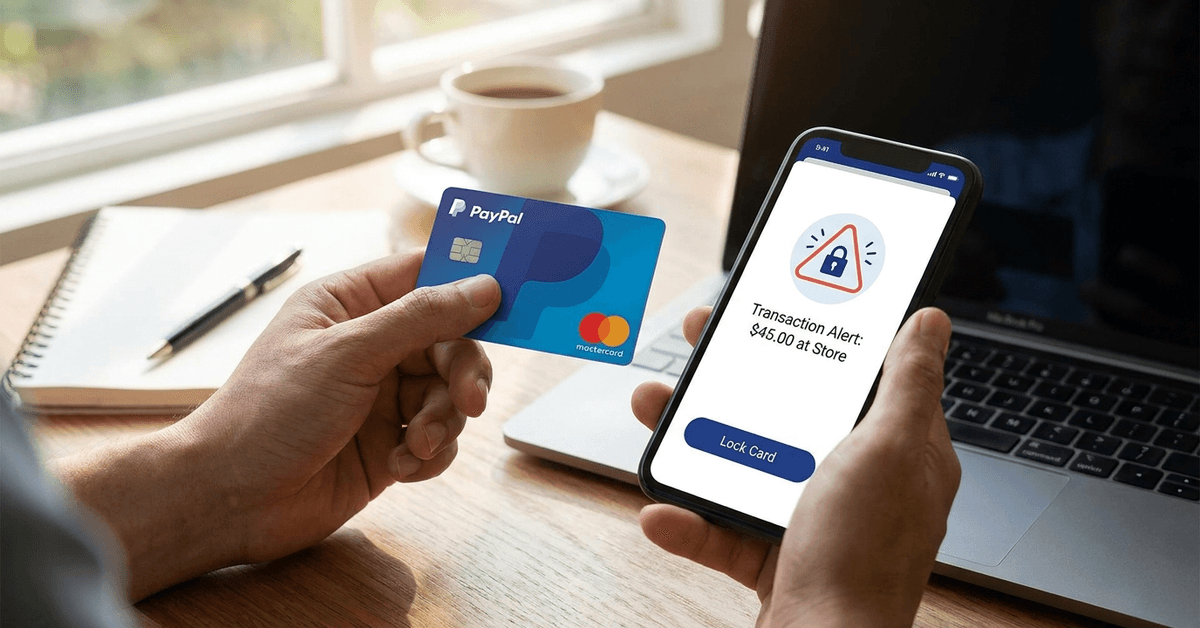
Behind the scenes, a combination of digital, physical, and operational security strategies helps keep cardholders protected. Let’s look at what those actually mean for you as a user in the United States.
Key Security Features of the PayPal Mastercard
Advanced Fraud Protection
PayPal’s fraud monitoring system works 24/7 to detect unusual activity on your Mastercard. The goal is to spot unauthorized transactions as soon as they happen, sometimes even before you notice anything strange in your account.
Machine learning algorithms and real-time analytics are used to review transactions for signs of risk. So, a sudden purchase in a new city or a large withdrawal may trigger a quick security check or a temporary hold. Even so, no system is perfect, and a few suspicious transactions may slip through from time to time.
Zero Liability Policy
The PayPal Mastercard provides a Zero Liability Policy for unauthorized purchases. In practice, this means if someone uses your card for a fraudulent charge, you won’t be held responsible—provided you report the issue promptly.
The policy is similar to what’s offered by many major credit and debit cards in the U.S. However, there’s always that nagging worry some users feel about whether the investigation process will go smoothly, especially if proof of fraud isn’t crystal clear.
Card Lock and Unlock Feature
With the PayPal app, it’s possible to lock or unlock your card in just a few taps. If your card goes missing or you notice strange activity, locking it stops new purchases or withdrawals right away.
This digital feature adds a level of control, although, admittedly, not everyone remembers to use it in the heat of the moment.
Secure Account Access
Accessing your Mastercard account through PayPal requires entering a password and, often, multi-factor authentication (MFA). This extra verification step could involve a code sent to your phone or an authentication app prompt.
Some users find MFA an extra hassle; others say it makes them feel much safer, particularly if they’re concerned about password leakage or phishing attempts.
EMV Chip Technology
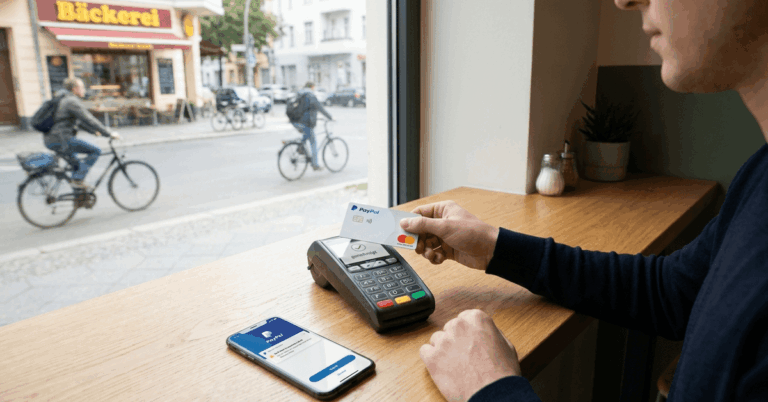
The physical PayPal Mastercard uses EMV chip technology to protect against cloning and card-present fraud. Every time you make an in-person purchase, the chip produces a unique transaction code that’s difficult for thieves to replicate.
This is a now-standard feature, but it’s still reassuring for those worried about skimming devices at gas stations or retail stores.
Transaction Alerts
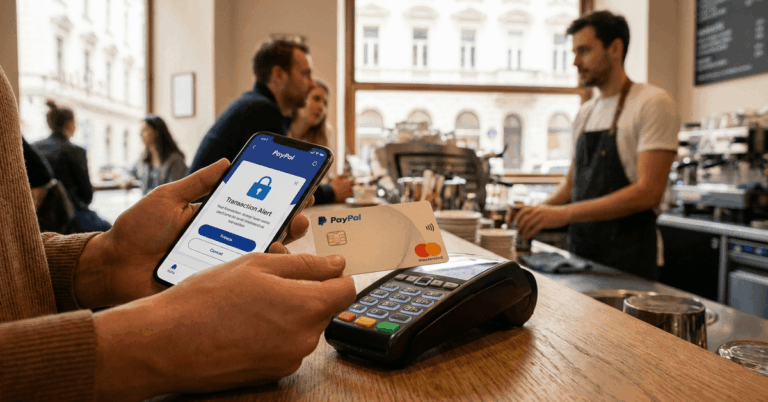
PayPal can notify you of transaction activity by email or mobile push notification, providing instant feedback when money leaves your account.
Staying proactive with these alerts may help some users catch fraud sooner, though it’s easy to imagine occasionally missing a notification in a busy day. Still, it’s a layer of visibility some consider essential.
Encryption Standards
When transmitting your payment info online, PayPal utilizes SSL/TLS encryption to help keep your data secure. This means that details like your card number are scrambled and protected from potential eavesdroppers as they travel over the internet.
Most financial institutions use similar technology, but its inclusion is key for today’s online shoppers who want added peace of mind.
How Does the PayPal Mastercard Compare to Other Cards?
Sizing up the PayPal Mastercard against traditional debit and credit cards reveals both similarities and a few subtle differences in approach. The most comparable cards—offered by established banks—also rely on robust fraud monitoring, chip tech, and zero liability for fraud.
However, the integration with PayPal’s network and app-based controls make some management features on the PayPal Mastercard more accessible. Especially for people who already manage their finances digitally, this could make a difference.
That said, the PayPal Mastercard does not offer some advanced fraud alerts or identity monitoring services found with a few premium cards. Whether that matters depends on individual risk appetite and what else is in your wallet.
User Privacy and Data Handling
Financial privacy isn’t just about fraud; it’s about how your data is stored, shared, and used. PayPal states in its Privacy Statement that personal data is protected and not sold to advertisers.
But, like any major platform, PayPal may still use anonymized data for service optimization, or share details with third-party service providers as needed to process transactions.
The nuances of privacy can be tricky—even seasoned users occasionally find policy language dense. Still, transparency here is an industry demand, and published documentation provides clarity for those who want to dig deeper.
Steps Users Can Take to Stay Secure
Create Strong Account Passwords
Using a unique, difficult-to-guess password for your PayPal login can help thwart unauthorized access attempts. Ideally, that password isn’t used anywhere else online.
Enable Two-Factor Authentication
Two-factor authentication (2FA) isn’t perfect, but it does provide another barrier for potential intruders. Many users find that the slight inconvenience is worth the extra layer of defense.
Regularly Monitor Transactions
Checking your account at least once a week for unfamiliar transactions improves your chances of spotting and reporting fraud quickly.
Always Log Out on Shared Devices
If you ever access PayPal on a public or family computer, logging out after use protects your information if someone else uses the device later.
Legal Protection and Federal Law
All U.S. cards, including the PayPal Mastercard, are covered by consumer protection statutes such as the Truth in Lending Act (TILA) and the Electronic Fund Transfer Act (EFTA).
These laws set basic standards for consumer liability, dispute rights, and error correction when it comes to unauthorized card use or processing mistakes.
While these regulations help, the actual experience of resolving disputes can vary by provider and situation. Still, it’s a legal safety net that serves as a final backstop.
Interested in the PayPal Mastercard?
Review the official card details, current terms, rewards, and eligibility requirements before deciding whether it fits your needs.
APPLY FOR THE PAYPAL MASTERCARD →
Is the PayPal Mastercard Safe? Final Thoughts
Ultimately, the PayPal Mastercard delivers a solid range of security measures—from strong encryption and account protections to around-the-clock fraud monitoring. For most users, these tools are more than adequate for everyday online and in-person spending.
No card—PayPal or otherwise—can ever be fully immune to risk. Occasionally, technical or human errors may expose gaps, but protections like zero liability, account notifications, and multi-factor authentication build real trust.
For those comfortable in the digital finance world, the PayPal Mastercard provides a blend of safety and control. By understanding the tools available and making good use of them, many Americans can enjoy a positive, low-risk experience with this modern payment card.