Starting a credit score from zero can seem challenging, but it’s a key step to financial growth in the United States. A good credit score influences major financial decisions, such as securing a car loan, renting an apartment, or qualifying for a mortgage.
Strong credit also provides access to better loan terms, lower interest rates, and easier approval for rental agreements.
Follow this simple guide to build a solid credit score and gain financial opportunities.
What Makes a Good Credit Score?
A good credit score ranges between 670 and 739 under the FICO scoring model and 661 to 780 under the VantageScore model.
Credit scores typically range between 300 and 850, with higher numbers indicating better creditworthiness. Here’s a breakdown of the score categories for both models:
| Score Range | FICO | VantageScore |
|---|---|---|
| Very Poor | N/A | 300–499 |
| Poor | 300–579 | 500–600 |
| Fair | 580–669 | 601–660 |
| Good | 670–739 | 661–780 |
| Very Good / Excellent | 740–850 | 781–850 |
Key Points for U.S. Borrowers:
- A FICO score of 670–739 qualifies as good and is often needed for favorable credit terms.
- A VantageScore of 661–780 is considered good when assessed by lenders using this model.
Why a Good Credit Score Matters
A good credit score improves financial opportunities. It simplifies approval for renting apartments, lowers car and homeowner insurance rates, and reduces borrowing costs.
In the United States, strong credit is especially valuable during financial emergencies, such as job loss. Lenders view high credit scores as a sign of trustworthiness, making it easier to secure favorable offers like 0% financing when needed.
Factors That Impact Your Credit Score
Credit scores are determined based on the scoring model used, typically FICO or VantageScore. Lenders in the United States often rely on one of these models to evaluate creditworthiness.
FICO Score Factors:
- Payment History (35%): Timely payments on credit accounts.
- Amounts Owed (30%): Total credit and loans used compared to total credit limit (credit utilization rate).
- Length of Credit History (15%): Duration of credit use.
- New Credit (10%): Frequency of applying for or opening new accounts.
- Credit Mix (10%): Variety of accounts, such as credit cards, auto loans, mortgages, and personal loans.
VantageScore Factors:
- Extremely Influential: Payment history.
- Highly Influential: Types and duration of credit, and percentage of credit limit used.
- Moderately Influential: Total balances and debt.
- Less Influential: Available credit and recent credit behavior or inquiries.
So how can you, as a beginner, make a good credit score? Read the guide below:
1. Learn the Basics
Starting to build credit begins with understanding essential terms and how they impact your financial decisions. Knowing these terms helps you make informed choices when opening a credit card or taking out a loan.
Key Terms to Know:
- Credit: Borrowed money used for purchases or expenses, such as loans or credit card transactions.
- Creditor: The institution lending the money, typically a bank, retailer, or credit card company.
- Credit Report: A record of your borrowing behavior, including accounts, payment history, and overall credit activity.
- Credit Score: A numerical assessment of your borrowing behavior, influenced by factors like payment history, credit utilization, and credit age.
Building credit early helps establish a strong financial foundation. A good credit score improves your ability to access loans, credit cards, and better financial terms.
Focusing on timely payments and responsible borrowing habits can positively influence your credit score over time.
2. Become an Authorized User on a Credit Card
Being added as an authorized user on a parent’s credit card can help establish credit early. If the cardholder consistently pays off the balance in full, their positive payment history and low credit utilization can reflect on your credit report.
You don’t need to use the card for this to work; your name on the account can contribute to improving your credit score in the United States.
3. Apply for Your First Credit Card
Building credit starts with having your own credit card. A secured credit card is a practical option for beginners. Unlike standard credit cards, secured cards require a deposit upfront, usually equal to the card’s credit limit.
These cards typically offer low credit limits, allowing you to borrow only up to the deposited amount. This setup helps you establish credit safely, reducing the risk of overspending or accumulating debt that could harm your credit score.
Keeping your credit usage manageable and payments on time improves your chances of future loan approvals in the United States.
4. Pay Bills on Time
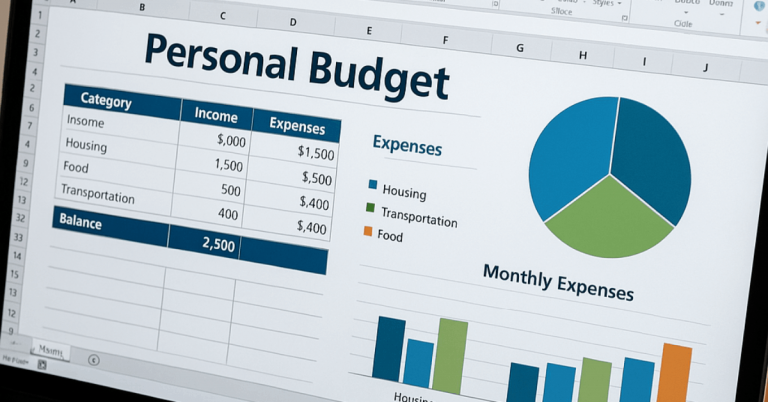
Paying bills on time and in full each month is the most effective way to build and maintain good credit. Start this habit early, especially when using a secured credit card. It’s easy to lose track of spending when using a card, so creating a budget and sticking to it can help avoid large, unmanageable bills at the end of the month.
A strong budget should include all monthly obligations, not just your credit card. Payments like rent, utilities, phone contracts, and medical bills may not rely on credit, but missed or late payments can still be reported and harm your credit history.
If you anticipate difficulty making payments, contact your creditor immediately. They may offer options like deferments or adjusted payment plans to prevent damage to your credit score.
5. How Student Loans Can Build Your Credit Score
Student loans can be a valuable tool for building credit in the United States. If you’ve taken out a student loan for tuition, you already have a credit history.
You can strengthen your credit score by keeping your loan current and making payments on time.
If managing payments becomes challenging, consider these two options:
- Deferring Payments: Contact your loan servicer to request a suspension of payments. Ensure that any agreement is reflected correctly on your credit report, avoiding the appearance of late payments.
- Refinancing Your Loan: Refinancing could lower your interest rate. However, approval may require a cosigner if your credit history is limited. If a cosigner is involved, timely payments are critical to avoid harming both your credit score and theirs.
Consistent management of your student loan contributes positively to your credit profile, setting a foundation for future financial opportunities.
6. Transitioning to a Traditional Credit Card
After 6–12 months of consistent, on-time payments on a secured credit card, you may qualify for a traditional credit card.
This step helps further build credit in the United States. Traditional credit cards often come with higher credit limits, so it’s essential to manage spending carefully.
To maintain a healthy credit score:
- Stick to a budget to avoid overspending.
- Pay bills on time to demonstrate reliability.
Using credit responsibly ensures continued credit score growth and avoids unnecessary debt.
How to Fix a Bad Credit Score
A low credit score can affect your ability to rent a property, secure loans, pay lower deposits for utilities, or even qualify for certain jobs in the United States.
While rebuilding credit is more challenging than establishing it, improving a poor score is achievable with effort and consistent actions. Results may take time, often up to six years, so starting promptly is key.
Review Your Credit Report
Obtain a copy of your credit report to identify problem areas. Look for missed payments, high credit card usage, or errors. Each of these can negatively affect your score.
Correct Errors
Dispute outdated information, ensure all accounts are listed accurately, and check for signs of fraud. Keeping your report updated and accurate can positively impact your score.
Pay Bills on Time
Payment history is a major factor in determining credit scores. Set up automatic payments to avoid missed deadlines.
If bills are due on the same date and funds are tight, contact service providers to adjust payment schedules. Prioritize timely payments for:
- Credit cards
- Utilities
- Rent
- Student loans
- Mobile and internet bills
Reduce Existing Debts
Focus on paying down balances, starting with credit cards that have the highest interest rates. Avoid using credit cards while reducing debt to help lower credit utilization, another significant factor in your score.
Avoid New Credit Applications
Applying for new loans or credit cards triggers credit checks, which can temporarily lower your score. Frequent applications signal financial instability to lenders and should be minimized.
Consider a Guarantor
A guarantor with strong credit can co-sign a loan, giving lenders additional reassurance. This can help secure credit while working to rebuild your own score.
Conclusion
Establishing a credit score requires consistent effort and smart strategies. Begin with options like a secured credit card or becoming an authorized user.
Pay bills on time, maintain low credit utilization, and regularly check your credit report. These steps help build a strong credit score, supporting financial opportunities in the United States.