For many who have suffered through debt, it is such a breath of fresh air knowing that you’re not in debt anymore. There are no monthly statements to pay or bills to worry about when you’re finally out of the woods with your debt.
While many people find relief in living a debt-free lifestyle, many still struggle with having to live debt-free after paying all of their bills. There is that strong urge to borrow or use the credit card again to swipe for their next big purchase.
How do you try to stop this cycle or at least manage your finances well enough that you’re not drowning in debt? Check out the guide below to stay debt-free once you’re paid.
Why Do You People Fall Into Debt?
There are a lot of reasons why people fall into debt. Some of them are out of their control, while others are often due to financial mismanagement.
There are also a lot of factors that cause debt in an individual. Identifying these factors will help you understand and prevent debt from becoming a burden ever again.
Low Income
Many people suffer from low income or underemployment these days. This results in people having to borrow money to sustain their current lifestyle or live day-to-day and be able to afford food and shelter.
For many, this has become the norm, and it can be the start of a tough cycle of borrowing money and paying it off. Low-income households tend to struggle with even more financial issues.
Lifestyle Choices
Another reason why people fall into debt is their lifestyle choices. Some people choose to live a life that they might not be able to afford, or they struggle to continue with their lifestyle without making proper changes.
You might live in an expensive neighborhood and refuse to transfer to a more affordable one.
Some might also choose to shop at expensive stores or pick high-end grocery items when they can be easily replaced with more affordable ones with the same quality.
Poor Financial Management
This is probably one of the main reasons why you are stuck in debt. Poor financial management often leads to a burdensome amount of debt.
This includes overuse of credit cards and issues with personal spending. People who don’t check their credit limit and continue to swipe their card every transaction or use up their savings just to sustain their current lifestyle often suffer from debt.
How to Stay Debt-Free Once You’re Paid Up
Staying debt-free can also be a struggle, knowing that there are a lot of temptations.
You might even find yourself in a situation where you have the choice to start another loan or you want to use your credit card for a large purchase.
Before you give in to those urges, here is how you can stay debt-free once you’re paid up.
Create a Budget
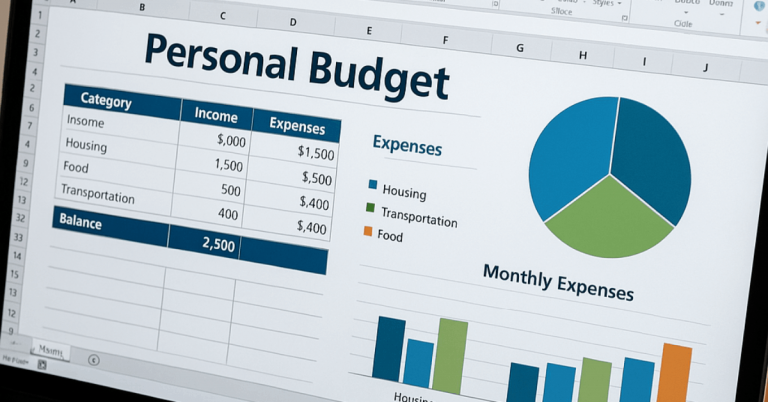
The very first thing that you need to do when you have paid all of your debt is to create another budget. You’ve done your budget while paying your debt and now that it’s already paid off, it is time for you to have a new one.
This time, make sure that you incorporate all of your daily or monthly expenses and add some of your wants into the budget now that you have enough room for it.
By creating a budget together with your expenses, you allow yourself some room to enjoy your money without having to resolve to borrow just to get what you want.
Cut Unnecessary Expenses
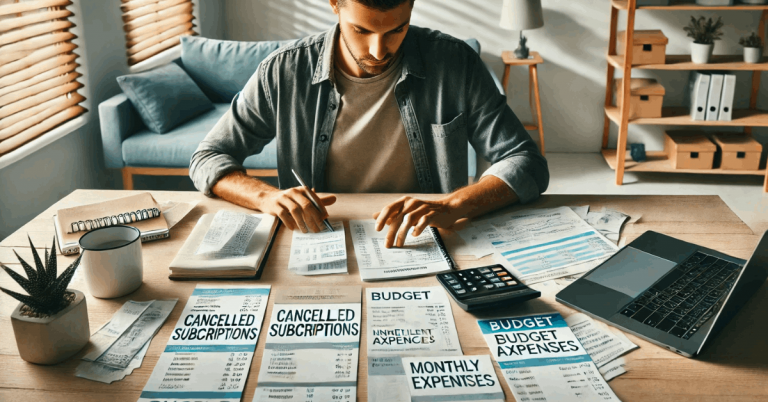
While we’re still on the budgeting topic, list all your monthly expenses and check which ones you can cut off easily.
This can be your daily coffee shop consumption, and cut it down to just every other day or grocery items that you don’t need.
Cut back on some unnecessary expenses so you can fund your savings or at least be able to afford the things that you want to satisfy you without needing to swipe your credit card or apply for a personal loan.
Invest Your Extra Funds
Now that you’re free from paying your debt, you will surely have enough money to use it whatever you like. Instead of spending your extra funds on your wants, you can always use it for investment.
You can either put it in your retirement fund or start investing with a brokerage. Either way, you are making your money work for you.
There are still some risks when it comes to investing your money but this is a risk that is worth doing since your money is growing. Get a financial advisor and talk about investing your extra funds today.
Set New Goals
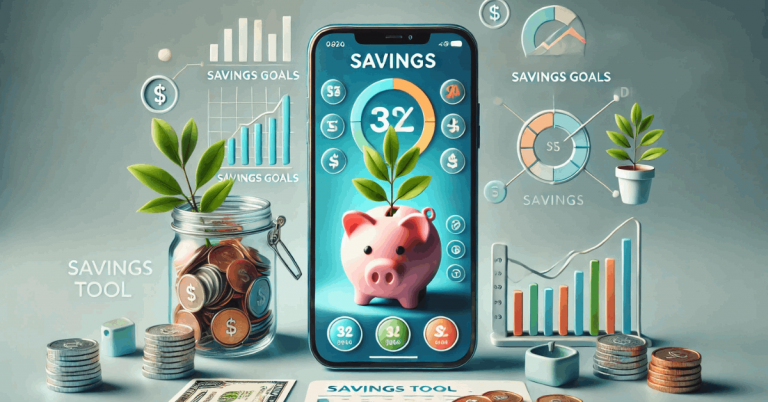
You can finally shift your priorities in another way now that you’re debt-free. Set new goals both for the short and long term. You can start a savings account where you can put your money either for home improvement or if you want a new car.
These are long-term goals that will affect your life later on. You can also have short-term goals, such as a vacation in the coming months or purchasing a new laptop for work.
These goals will help you focus on saving instead of spending the money that you now have,e thanks to paying off your debt.
Extend Your Patience
If you want to stay focused on living a debt-free lifestyle, you will need to extend your patience. Discipline is the key to staying debt-free.
Whether you truly crave a new phone or you want to spend your money on a weekend cruise, having the patience to wait and control your urges is key to extending your debt-free lifestyle.
Learn to enjoy what you have right now so you won’t be looking for more. Contentment with your current lifestyle is the best way for you to stop yourself from spending more.
Conclusion
You already know how difficult it is to pay your debt every month. It takes a lot of perseverance and patience to get out of the difficult situation where you’re buried in debt. Now that you’re finally out of it, it is best that you stay debt-free with the help of the tips mentioned above.