Payday loans online are often marketed as a fast solution for urgent cash needs. Many individuals turn to these services during times of financial stress.
Understanding how these loans work and where to find safer alternatives can be crucial.
What Are Payday Loans Online?
Payday loans online are short-term, high-interest loans intended for immediate financial emergencies. They are typically small amounts, often less than $1,000. Borrowers are usually expected to repay the loan by their next paycheck.
The process of applying is straightforward. Most lenders require basic personal details and proof of income. Approval can happen in minutes.

How Do Online Payday Loans Work?
Understanding how online payday loans work helps borrowers navigate application requirements, approval procedures, and repayment terms. Learning about loan costs and potential risks supports informed financial decisions and responsible borrowing.
Application Process
The first step is completing an online application. This often includes contact information, employment status, and bank details.
Lenders may approve the request quickly, sometimes without a hard credit check. Funds can be deposited into your account as soon as the same day.
Repayment Terms
Repayment is usually due in two to four weeks. The amount, including fees and interest, is automatically withdrawn from your bank account on the due date.
Exact terms may vary, but high annual percentage rates (APRs) are common. Some APRs can exceed 400%.
The Real-World Impact
In cities like Dallas, Atlanta, and Phoenix, online payday loans are widely used. Borrowers often rely on them between paychecks. However, many report falling into cycles of debt.
Missing a payment can lead to rollovers, which means new fees and increased debt. This has serious implications for someone already struggling financially.
Understanding the Financial Risks and Drawbacks of Online Payday Loans
Online payday loans offer quick access to funds but often involve high interest rates, short repayment periods, and additional fees.
Understanding these potential financial risks helps borrowers avoid debt problems, evaluate loan conditions, and make responsible borrowing decisions.
High Costs
The biggest concern is the interest rate. Even a small loan can grow substantially due to compounding fees. Missed payments make the total repayment much higher.
Cycle of Debt
Many borrowers need to take out another loan to cover the original one. This cycle can be difficult to break, especially with aggressive collection tactics.
Credit Score Impact
Payday lenders usually do not report on-time payments to credit bureaus. However, missed payments or unpaid loans can result in collections, damaging a borrower’s credit score.
Privacy and Security
Not all online payday lenders use secure websites. Sensitive information may be at risk. The Consumer Financial Protection Bureau (CFPB) warns about scams targeting those seeking quick loans.
Exploring Safer and More Affordable Alternatives to Online Payday Loans
Considering alternative financing options can help borrowers avoid high interest rates and short repayment deadlines.
Exploring lower-cost borrowing solutions, community assistance programs, and flexible repayment arrangements supports responsible financial decisions and reduces the risk of unnecessary debt.
Credit Unions
Many credit unions offer small-dollar personal loans at much lower interest rates. These loans are regulated for consumer safety.
Credit union applications usually require membership, but joining is often simple. The National Credit Union Administration provides an online locator tool for nearby options.
Payment Advance Apps
Apps like Earnin, Dave, and Brigit advance a portion of your paycheck interest-free. Fees are optional or much lower than payday lenders charge.
These services usually link to your bank account and verify employment. Advance limits depend on the user’s income and direct deposit schedule.
Personal Installment Loans
Some banks and trusted online lenders offer small installment loans. Unlike payday loans, these loans allow for longer repayment terms and lower monthly payments.
Local Assistance Programs
Several cities offer emergency cash programs or grants. United Way’s 2-1-1 service can help connect individuals to these resources. Assistance is non-repayable and tailored to local needs.
Borrowing from Friends or Family
Although it can feel awkward, a personal loan from someone you trust is a low-cost option. Agreeing on clear loan terms can help maintain trust and transparency.
Evaluating Platforms and Apps
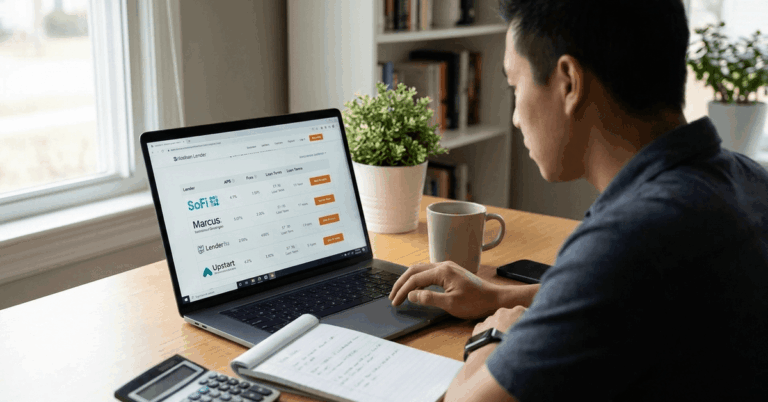
Comparing online lending platforms helps borrowers understand loan costs, repayment conditions, and available alternatives before making informed financial decisions.
Popular Payday Loan Sites
Exploring established payday loan providers allows borrowers to compare interest rates, eligibility requirements, and repayment terms while identifying potential financial risks.
- CashNetUSA
- Check Into Cash
- Speedy Cash
These platforms are commonly used in most states. However, high costs and strict repayment terms apply.
Recommended Alternate Platforms
Considering cash advance apps may provide borrowers with flexible financial solutions. Reviewing fees, eligibility requirements, and repayment conditions helps determine affordability.
- Earnin: Advance up to $100/day
- Dave: Budgeting tools with small paycheck advances
- Brigit: No interest, low-cost cash advances
Most alternatives require an active checking account and regular direct deposit. Approval is often instant, and repayment occurs automatically on your next payday.
How to Choose Safe Borrowing Methods
- Compare APRs, not just fees.
- Read all loan terms before agreeing.
- Check for state licensing and regulatory compliance.
- Look for customer reviews on independent platforms.
- Beware of any lender asking for upfront fees.
Taking out a new loan while already struggling can make things worse. If in doubt, consider financial counseling.
Alternatives by City: Practical Examples
In Chicago, a local credit union might offer small-dollar loans to members. In Los Angeles, the city manages an emergency rent assistance fund. Houston’s United Way provides referral services for utility bills and food assistance.
Using local resources can often be safer than taking out a payday loan. It is always worth checking with city departments and local non-profits.
Legal and Regulatory Considerations
Understanding payday loan regulations helps borrowers recognize their legal rights, verify lender licensing, and identify protections against unfair lending practices.
State Laws
Payday lending is regulated differently across the U.S. Some states, like New York, ban online payday loans entirely. Others set strict limits on interest rates and fees.
Checking your state’s laws before applying is essential. The CFPB and your state’s attorney general provide updated resources online.
Your Rights as a Borrower
Federal law requires clear disclosure of all fees and APRs before you sign. You always have the right to ask questions and refuse a loan that feels risky or confusing.
Conclusion
Online payday loans offer quick access to cash but carry significant risks, including high costs and the potential for long-term debt.
Safer alternatives like credit unions, payment advance apps, and local aid programs can often meet urgent financial needs with far less risk.
Weighing options carefully, reading all terms, and seeking help from trusted local and online resources can reduce the risk of financial harm and help you find a solution that works for your situation.