Small loans can offer a fast solution for sudden expenses, but understanding how they work is critical. For people facing unexpected bills or minor cash flow issues, small loans—from $100 and up—might seem accessible and easy.
This guide explains what they are, who they help, and what to look out for, so readers know what to expect before getting involved.
Designed for anyone considering a small loan, whether to cover a medical bill, fix a vehicle, or bridge a gap until payday, this guide lays out the facts without pushing any agenda. Clarity and practicality are at the heart of each section, aiming to boost your confidence in making money choices.
What Is a Small Loan?
Small loans, sometimes called microloans or payday loans, are short-term borrowing options that typically range from $100 to around $5,000. While they share some characteristics with personal loans, their structure and eligibility requirements can differ quite a bit.
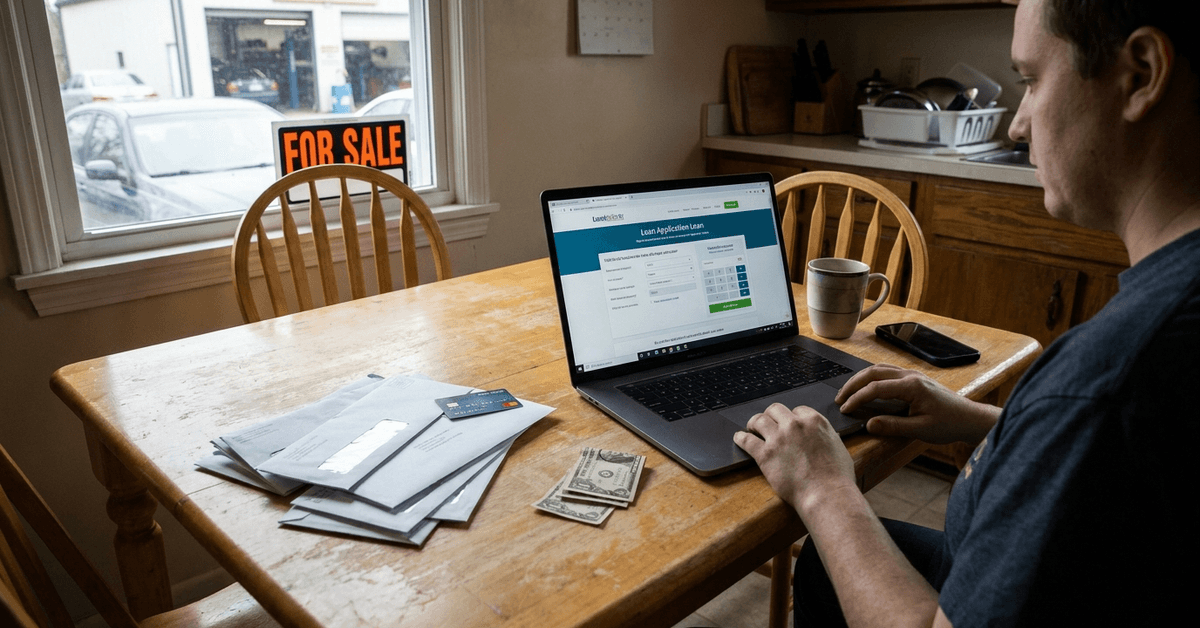
Unlike larger loans, small loans tend to have faster approval processes and less paperwork. Lenders may focus less on strict credit history and more on proof of steady income or regular bank activity. Their interest rates, however, are often higher due to the shorter term and increased risk.
Common Types of Small Loans
Payday Loans
These are usually meant for urgent needs and must be paid back by your next payday. The amounts are low, and the application process is straightforward but often comes with significant fees.
Installment Loans
Installment loans let borrowers pay back in regular, scheduled segments rather than all at once. This can help with budgeting but may stretch out the overall cost.
Credit Builder Loans
Offered by credit unions or digital lenders, these small loans mainly aim to help individuals establish or repair credit history, sometimes holding funds in a secured account until repayment.
Key Features of Small Loans
Loan Amounts and Terms
Small loans usually start at $100 and can go up to several thousand dollars, depending on the lender. Repayment periods might range from a couple of weeks to several months.
Interest Rates
Interest rates on small loans can be surprisingly high. For example, payday loans may have annual percentage rates (APRs) that, when calculated, can soar past 300% or even more. It’s a detail that’s easy to overlook.
Approval Process
Applications for small loans are often processed swiftly—sometimes within minutes. Many lenders offer online options, and requirements might be as simple as proof of income, valid ID, and an active bank account.
Who Uses Small Loans?
Small loans are typically favored by individuals who may not qualify for traditional bank credit. This includes those with less-than-perfect credit, students, or people without access to family or community borrowing networks.
They might also suit people facing one-time emergencies. While some borrowers use them responsibly, others could fall into a cycle of repeat borrowing, leading to increased debt over time.
Potential Advantages of Small Loans
- Speed and convenience : Accessing funds quickly is perhaps the biggest draw.
- No collateral typically required
- May be available to those with limited or poor credit history
- Flexible application processes and basic requirements
Risks and Drawbacks to Consider
High Interest and Fees
The cost of borrowing even small amounts can be unexpectedly high. Many borrowers end up paying much more than they took out, so it’s smart to check the total repayment before signing anything.
Debt Cycle Danger
Rolling over or renewing small loans can lead to a cycle of debt. If repaying the loan becomes hard, new loans might be needed, each with new fees or higher rates.
Credit Score Impact
Not all small loans are reported to credit bureaus. But if a borrower defaults, the negative impact can be significant. Sometimes, a failure to repay appears on a credit report, hurting future borrowing prospects.
What Lenders Check Before Approval
Lenders usually verify steady income, current employment status, and whether there’s an active bank account. Some lenders have begun using alternative data, such as how often your paycheck comes in or your digital footprint, to make faster, broader decisions.
Alternative Ways to Cover Small Expenses
Small loans can be a solution, but they’re not always the only option. Borrowers sometimes consider credit unions, employer advances, or local nonprofits. In some places, community banks offer small-dollar lending products at lower rates.
The US Consumer Financial Protection Bureau provides information on alternative financial services. Exploring these could open up safer, more affordable borrowing paths.
Typical Requirements for Small Loans
- Proof of regular or steady income
- Valid photo identification
- Active checking or savings account
- Minimum age (usually 18+)
Requirements may vary, but most lenders want assurance the loan will be repaid. If a borrower’s income is irregular, some lenders may decline the application or offer a much smaller amount than requested.
How to Compare Small Loan Offers
Annual Percentage Rate (APR)
The APR includes both interest and fees, making it easier to compare true costs between lenders. Sometimes, though, lenders only advertise interest and not other charges.
Repayment Flexibility
Some lenders allow early repayment without penalty, while others might charge an extra fee to do so. Flexible dates can reduce the strain, especially if income dates vary from month to month.
Lender Reputation
It’s sometimes tricky to assess which lenders are trustworthy. Resources like the Better Business Bureau offer reviews and ratings on loan providers, which may help when making a decision.
Legal and Regulatory Factors
The small-loan landscape is shaped by state or local regulations. Some regions place caps on interest rates or ban certain loan types altogether.
Staying aware of rules where you live and borrowing within the lines ensures added protection. The regulatory landscape does change sometimes, and lenders update their policies to keep up, so recent research is always worthwhile.
Most countries require full disclosure of all fees and terms before any contract is signed. Those who lend without this transparency may not be operating legally and could put your finances at risk.
Tips for Responsible Small Loan Use
- Borrow only what is needed—not the maximum available
- Check all terms, not just interest rates
- Consider potential impact on budget and monthly obligations
- Review repayment options and lender policies before signing
Making Small Loans Work for You
Getting a small loan, perhaps for as little as $100, brings its own set of choices and challenges. For those facing a short-term squeeze, such loans can be the bridge that keeps things ticking over. Yet, without careful review, costs and risks add up rapidly, and the original problem might grow.
No loan is ever just a dollar amount. It’s a commitment, even for something as minor as a cell phone repair or overdue bill. The details—from APR to late fees—deserve a close look, even if the process feels easy or even routine. Borrowers sometimes report later regrets if small details were missed at the beginning.
In the end, the best decision emerges from clear understanding, honest self-assessment, and not shying away from asking questions—however simple or complex they might seem. Small loans do serve a purpose, but only when approached with full awareness and a sense of what comes next.