Credit repair involves addressing errors on your credit report and improving your financial habits to boost your credit score.
The process is essential for better loan access, lower interest rates, and financial stability.
The timeline depends on factors like the complexity of your credit issues, how quickly you take action, and the responsiveness of credit bureaus.
Overview of the Credit Repair Process
Credit repair focuses on resolving inaccuracies on your credit report and adopting habits that improve your credit score.
This process involves identifying issues, disputing errors, and building positive credit behavior.
Obtain Credit Reports:
- Request free credit reports from all three major bureaus (Equifax, Experian, TransUnion).
- Review for errors, inaccuracies, or outdated information.
Identify Errors:
- Look for incorrect account details, duplicate accounts, or fraudulent activity.
- Note late payments or balances that appear incorrect.
Dispute Inaccuracies:
- Contact the credit bureau(s) reporting the error.
- Submit supporting documentation and a written dispute letter.
Monitor Responses:
- Credit bureaus typically have 30 days to investigate disputes.
- Check for updated reports reflecting corrected errors.
Pay Down Debts:
- Focus on reducing high balances, starting with credit cards.
- Aim to lower your credit utilization ratio below 30%.
Establish Positive Habits:
- Make consistent on-time payments.
- Avoid taking on unnecessary new credit.
Track Progress:
- Regularly review updated credit reports.
- Use tools like credit monitoring apps to track improvements.
Timeline Breakdown
Credit repair time depends on the severity of issues, your actions, and creditor responses.
Here’s a general timeline to guide your expectations at each stage.
Immediate Steps (Week 1–2):
- Obtain and review credit reports for errors.
- Dispute inaccuracies by submitting written complaints to credit bureaus.
- Gather supporting documentation for disputes.
Short-Term Improvements (Month 1–3):
- Follow up on disputes and confirm corrections.
- Begin paying down outstanding debts and avoid missing payments.
- Focus on reducing credit utilization.
Medium-Term Progress (Month 4–6):
- Monitor updated credit reports to ensure accuracy.
- Maintain consistent on-time payments to build a positive payment history.
- Continue working on lowering credit card balances.
Long-Term Results (Month 7–12+):
- Notice gradual improvements in your credit score as positive habits take effect.
- Diversify your credit types responsibly, such as adding a secured credit card.
- Regularly check credit reports to maintain accuracy and prevent future issues.
Factors Influencing the Timeline
The duration of credit repair varies based on several factors. Understanding these can help set realistic expectations and guide your efforts.
- Severity of Credit Issues: Serious issues like bankruptcies or collections take longer to resolve than minor errors.
- Accuracy of Disputes: Providing clear dispute evidence speeds up the correction process.
- Responsiveness of Credit Bureaus: Credit bureaus typically have 30 days to investigate disputes, but delays can occur.
- Debt Management Efforts: Consistently paying down balances and avoiding late payments impact the timeline positively.
- Financial Discipline: Maintaining low credit utilization and building a history of on-time payments accelerate progress.
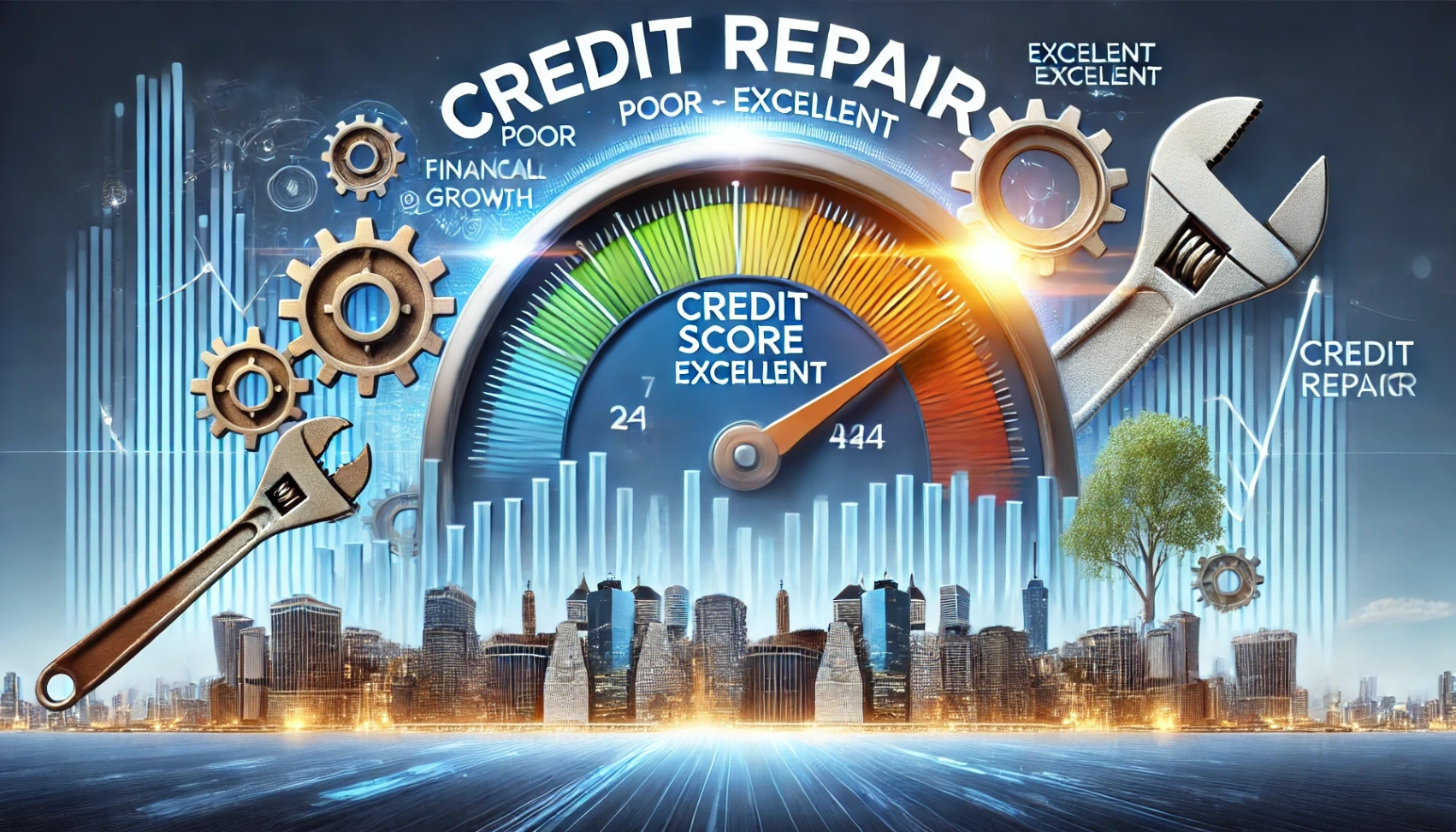
Tips for Faster Credit Repair
Speeding up credit repair requires strategic actions and consistent habits. These tips can help improve your credit more efficiently.
- Review Credit Reports Regularly: Spot errors early and dispute them promptly.
- Focus on Paying Down Balances: Prioritize high-interest and high-balance accounts to lower your credit utilization ratio.
- Avoid New Credit Applications: Multiple inquiries can harm your score and slow progress.
- Set Up Automatic Payments: To build a positive payment history and ensure bills are paid on time.
- Use Credit Monitoring Tools: Track progress and receive alerts for any changes to your credit report.
Understanding Credit Disputes
Credit disputes help correct errors on your credit report, ensuring accuracy. Here’s how they work.
Identifying Errors:
- Common issues include incorrect account details, duplicate accounts, or fraudulent charges.
- Reviewing credit reports thoroughly helps catch these mistakes.
Filing a Dispute:
- Submit a written dispute to the credit bureau reporting the error.
- Include supporting documentation, such as statements or receipts, to back your claim.
Response Timeline:
- Credit bureaus are required to investigate disputes within 30 days.
- They may contact the creditor for verification during this period.
Possible Outcomes:
- The error may be corrected or removed if found invalid.
- If the dispute is denied, the bureau must explain.
Following Up:
- Check updated credit reports to confirm the resolution.
- If unresolved, consider escalating the dispute or seeking legal assistance if necessary.
Role of Debt Management in Credit Repair
Managing debt effectively plays a vital role in improving your credit score.
Reducing debt balances and maintaining responsible financial habits can significantly impact your credit repair journey.
Reducing Credit Utilization:
- Lowering credit card balances improves your credit utilization ratio, a key factor in credit scores.
- Aim to keep your utilization below 30% of your credit limit.
Prioritizing Debt Payments:
- Focus on high-interest debts first to save money and reduce balances faster.
- Consistent payments show lenders you’re reliable.
Avoiding New Debt:
- Limit new credit applications to prevent additional inquiries on your report.
- Avoid adding to your existing debt load during the repair process.
Setting Up Payment Plans:
- Work with creditors to establish manageable payment arrangements.
- Timely payments on these plans contribute to a positive credit history.
Maintaining On-Time Payments:
- Paying bills on time is crucial for rebuilding trust with creditors.
- Even minimum payments help prevent further damage to your credit.
Long-Term Habits for Sustained Credit Health
Maintaining good credit requires consistent habits that promote financial stability.
These practices ensure long-term credit health and prevent future issues.
- Pay Bills on Time: Timely payments build a strong credit history and improve your score.
- Keep Credit Utilization Low: Aim to use less than 30% of your total credit limit to maintain a healthy ratio.
- Monitor Credit Reports Regularly: Check for errors and suspicious activity to address problems early.
- Avoid Excessive Credit Applications: Limit new credit inquiries to avoid negative impacts on your score.
- Build an Emergency Fund: Save for unexpected expenses to avoid relying on credit in emergencies.
Seeking Professional Help
If credit repair feels overwhelming, professional help can simplify the process.
Credit repair agencies and nonprofit counselors offer services to guide you effectively.
- Credit Repair Agencies: Handle disputes and negotiate with creditors on your behalf; research credibility to avoid scams.
- Benefits of Professional Help: Provide expert strategies and save time for those unfamiliar with credit repair.
- Costs and Fees: Agencies often charge monthly or per-dispute; understand pricing and guarantees before committing.
- Nonprofit Credit Counselors: Offer free or low-cost advice, help create budgets, and assist in managing debt.
- When to Seek Help: Consider help for unresolved disputes, complex errors, or overwhelming debt situations.
Summing It Up
Credit repair requires patience, consistency, and a clear plan to address errors and improve financial habits.
You can achieve a healthier credit profile by taking proactive steps and maintaining long-term strategies.
Start your journey today by reviewing your credit report and committing to habits that improve your financial future.