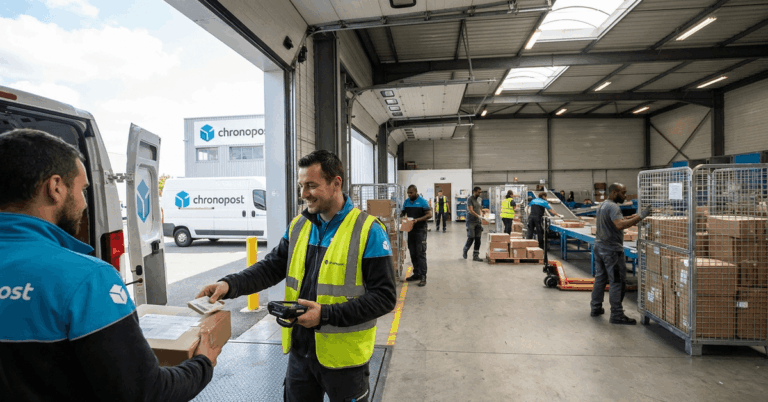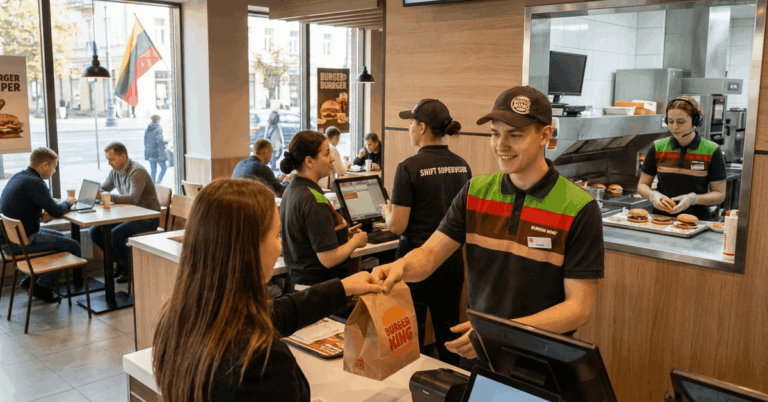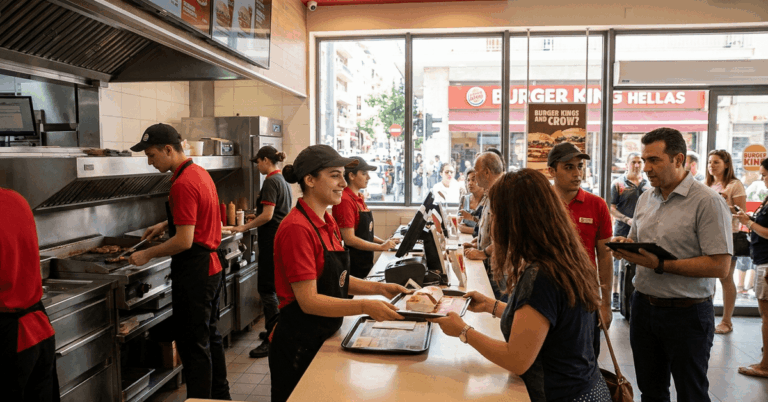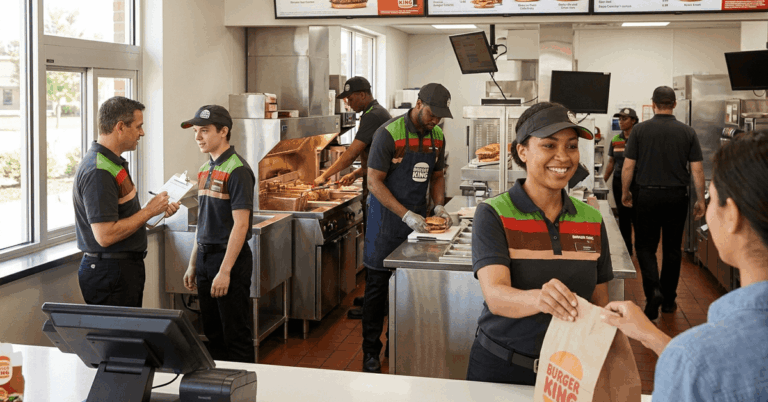
Food delivery jobs offer flexible opportunities across many European cities. Couriers use apps to connect restaurants with customers.
Earnings and working conditions vary by country and platform. This guide covers popular apps, applications, equipment, pay, regulations, and challenges.


Why Food Delivery Jobs Are Gaining Traction in Europe
Food delivery remains attractive because online orders support work across busy neighborhoods. Couriers may appreciate accessible entry routes and adaptable schedules, although neither constant demand nor steady income is guaranteed.
High Demand in Urban Centers
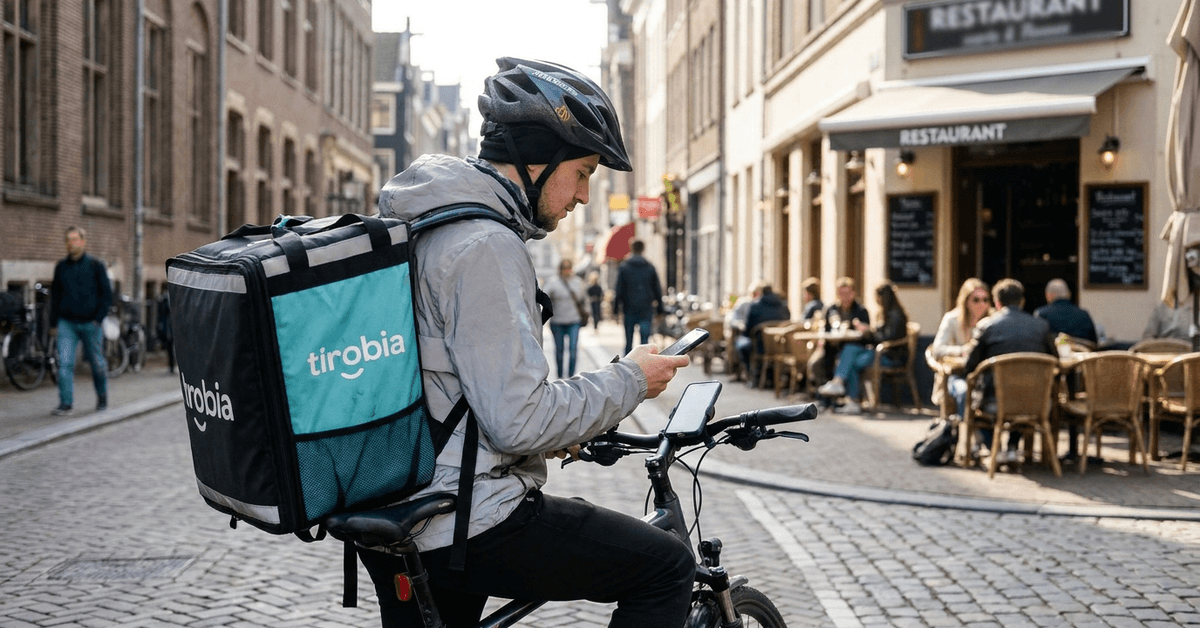
Cities such as Berlin, Paris, Amsterdam, and Madrid have active delivery markets with restaurants serving residents and visitors.
Lunch and dinner periods can produce more requests than quieter hours. Smaller towns may also have opportunities, but order volumes and coverage differ substantially.
Low Barriers for Entry
Some courier roles require only basic equipment, appropriate documents, and a suitable vehicle. Requirements still depend on local regulations, employment arrangements, and platform standards. A valid right to work, appropriate insurance, and registration may be necessary before delivering.
Flexible Hours and Side Income Potential
Independent couriers may choose working hours around studies, family obligations, or another job.
Meal periods and weekends sometimes offer more opportunities, but schedules are less flexible for employed riders. Income changes with demand, delivery distance, and available shifts.
Best Food Delivery Apps in Europe
Several delivery platforms operate across Europe, although city availability changes over time. Compare each company’s recruitment model and local requirements rather than assuming one service operates everywhere.
- Uber Eats: Operates in numerous European cities, with vehicle and document rules differing locally.
- Deliveroo: Serves markets including the United Kingdom, France, Belgium, Ireland, and Italy.
- Just Eat / Takeaway.com: Offers delivery through different employment or courier arrangements depending on country.
- Glovo: Connects couriers with restaurant and other local deliveries in supported markets.
- Wolt: Provides courier applications and app-based order management where its service is available.
Availability and recruitment windows may differ even between neighboring cities, so a vacancy check matters more than brand recognition.
Comparison Table — Features and Requirements
Platform differences become clearer when comparing arrangements, vehicles, and coverage. This overview is general; always check local recruiting pages for current rules.
| Platform | Typical Vehicles | Main Consideration |
|---|---|---|
| Uber Eats | Bicycle, scooter, car | Local checks and documents |
| Deliveroo | Bicycle or motorized vehicle | City-specific availability |
| Just Eat | Varies by employer | Employment terms |
| Glovo | Bicycle or motorized vehicle | Local registration |
| Wolt | Bicycle, scooter, car | Approval and onboarding |
How to Get Started as a Food Delivery Courier
Most platforms use a digital registration process with identity and eligibility checks. Prepare documentation before applying, since acceptance and onboarding timelines vary by location.
- Register online through the platform’s official courier or careers portal.
- Submit documents proving identity, working rights, and other local requirements.
- Choose a vehicle permitted under the platform’s city-specific rules.
- Complete checks such as background screening where these are legally required.
- Attend onboarding or finish online training, depending on the arrangement.
- Activate your account and accept deliveries only after receiving approval.
Some cities operate waiting lists, and successful account creation alone does not mean you can begin taking paid orders.
Typical Equipment Needed
Reliable equipment helps couriers travel safely and protect customers’ orders. Some companies provide or arrange delivery bags, while others require riders to obtain their own.
- Smartphone: Working data connection, navigation, and sufficient battery power.
- Safety gear: Appropriate helmet, lights, and reflective clothing for conditions.
- Thermal bag: Insulated equipment suitable for transporting food securely.
Potential Earnings and What to Expect
Courier earnings fluctuate by city, contract, demand, and working time. The often-quoted €10–€18 hourly range is not a verified Europe-wide average and should never be treated as guaranteed take-home pay.
What Impacts Your Earnings?
Actual net earnings depend on order availability and costs, not simply advertised delivery rates. Compare compensation structures carefully before choosing when and where to work.
- Delivery distance: Longer trips may pay more but consume additional time.
- Peak periods: Busy meal services may increase available orders or incentives.
- Bonuses: Some apps offer conditional promotions or additional payments during demand surges.
- Customer tips: Optional contributions vary substantially and should not be assumed.
Payment schedules differ by provider and contract, from frequent transfers to ordinary payroll dates. Keep records of fuel, repairs, insurance, taxes, and unpaid waiting time to assess actual profitability.
For employees, compare guaranteed hours and paid leave where offered instead of relying on contractor rates alone.
Legal and Tax Considerations
Worker classification differs across European countries and can affect wages, protections, contributions, and reporting obligations. Couriers may be employees, contractors, or work through intermediaries, so check local rules rather than assuming self-employment.
Registration and Documentation
A courier may need business registration when operating independently, depending on national law. Employees instead generally follow employer onboarding and payroll procedures.
Foreign nationals should verify that their immigration permission allows the exact work arrangement proposed.
Insurance and Safety
Vehicle insurance requirements depend on transport type and jurisdiction. Employers or platforms may provide limited accident coverage, but exclusions and conditions can apply.
Confirm liability protection, road safety rules, and any commercial-use policy requirements before making deliveries.
Paying Taxes as a Courier
Independent workers often manage tax filings and social contributions, while employees may have deductions through payroll.
National thresholds, filing deadlines, and platform reporting practices vary. Save invoices and payment statements, and consult your local tax authority when uncertain.
Tips for Boosting Earnings and Staying Safe
Practical courier habits can improve reliability without encouraging risky riding. Compare your earnings after expenses while prioritizing weather conditions, rest, and traffic rules.
- Maintain your vehicle: Routine inspections help reduce breakdowns and delays.
- Dress appropriately: Wear clothing suited to rain, cold, and visibility.
- Plan safe routes: Follow traffic rules instead of rushing to meet targets.
- Check app notices: Review policy changes and conditions attached to bonuses.
Some couriers try multiple platforms to reduce downtime, where contracts and local rules permit it. Keep separate records and avoid accepting overlapping deliveries that compromise service or safety.
Common Challenges and How Couriers Handle Them
Couriers face variable orders, changing payment formulas, difficult routes, and occasional impatient customers.
Poor weather makes travel more hazardous, so declining unsafe journeys and understanding support procedures matter. Comparing expected income with physical demands helps make this work sustainable.
Conclusion
European food delivery work offers different opportunities rather than one standard experience. Compare platforms, contracts, equipment requirements, and realistic earnings.
Check your work authorization, insurance, and tax obligations before starting. Prioritize safe working practices and sustainable income expectations.