Finding low physical demand jobs can be a real game-changer for many working Americans. Whether due to health concerns, lifestyle choices, or simply preferring less physical work, this subject matters for a wide range of people.
Students, parents, retirees, or anyone looking for less physically intense roles may find this information valuable. The main benefit is clear: greater comfort on the job and often, a better work-life balance.


Exploring the best low-impact job options available in the United States can open doors to steady opportunities and a healthier routine.
What Makes a Job Low Physical Demand?
Understanding what actually qualifies as a low physical demand job is crucial. These roles usually require minimal manual labor, little to no heavy lifting, and are unlikely to involve strenuous movement.
Most positions in this category focus more on mental, administrative, or digital skills than physical strength or stamina. However, there can be some overlap, because what feels ‘low demand’ for one person might be less ideal for another.
It’s helpful to consider not just physical comfort but also daily pace and stress levels.
Benefits of Working in Low Physical Demand Jobs
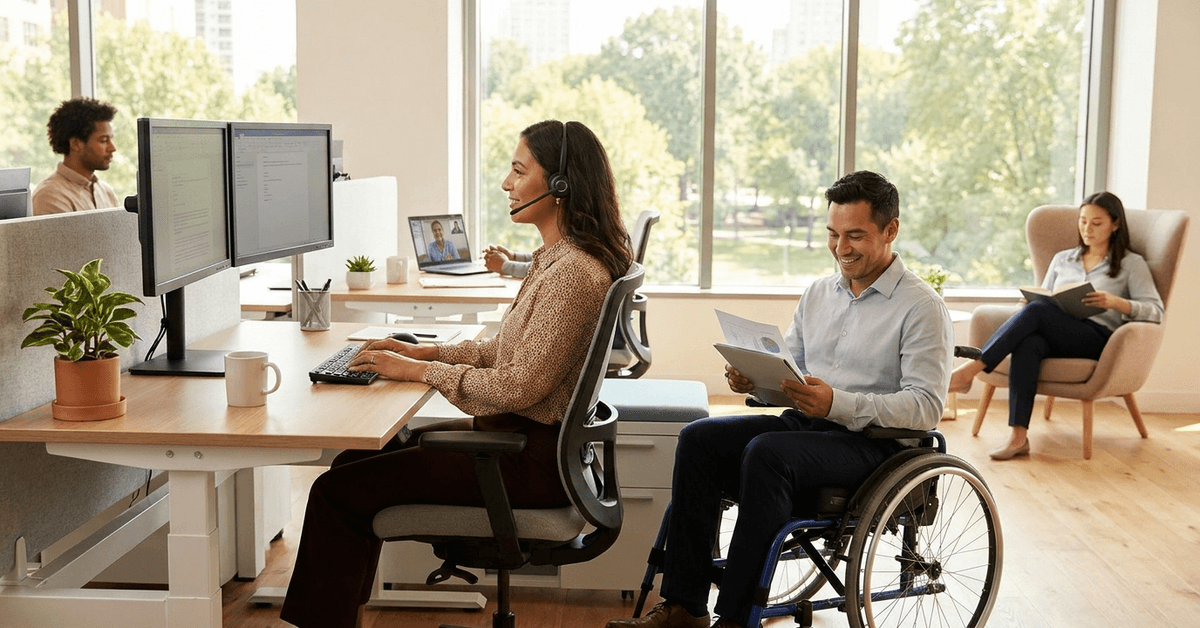
Comfort, sustainability, and accessibility are some of the biggest advantages of low-impact careers. Reduced risk of injury means that these jobs are often better suited for people with medical concerns, disabilities, or chronic pain.
It’s also easier to maintain energy through the day, making routine tasks less exhausting. Often, these positions support long-term career planning because they’re sustainable for many years, if not decades.
While the daily routine might be repetitive sometimes, the overall well-being tradeoff is quite substantial.
Best Low Physical Demand Jobs in the US
Remote Customer Service Representative
With the rise of online businesses, customer service roles have moved to remote setups. These jobs primarily require strong communication, problem-solving abilities, and basic computer literacy.
Most interactions happen via phone, email, or chat support. While handling tricky customers can be stressful, physical demand remains very low. It’s considered an attractive entry-level option across the country, visible both in large enterprise and small business settings.
Data Entry Clerk
For those with attention to detail and good typing skills, data entry remains a reliable path. The majority of this work involves managing databases, transcribing information, and ensuring records remain accurate.
Working hours might sometimes get repetitive, but with minimal movement required, it offers consistent, predictable routines, especially among healthcare, finance, and education employers.
Administrative Assistant
A slightly more varied role, administrative assistants provide support to teams or office managers. This job entails scheduling, arranging meetings, handling correspondence, and organizing files.
It’s possible to work in-person or remotely, depending on the employer. Some days can be busier than others, but the core responsibilities stay within manageable limits, physically.
Medical Coder and Biller
The healthcare sector relies on coders and billing specialists to process insurance paperwork and patient information.
Training or certification may be required, but work usually happens seated at a computer, in a quiet office or from home. Demand continues to grow as healthcare regulations become more complex.
Bookkeeper
Managing financial records end-to-end requires precision, but not physical effort. Bookkeepers track expenses, handle invoices, reconcile accounts, and may prepare reports for tax season.
Most employers offer hybrid or remote options, increasing flexibility and lowering daily exertion.
Technical Support Specialist
For tech-savvy individuals, support roles in IT or software companies can be quite appealing.
This role is generally desk-based, involving diagnosing issues, solving problems, and guiding clients via phone or online tools. Fast problem-solving skills matter more than physical capacity here.
Content Writer or Editor
In publishing, marketing, and digital media, writers and editors spend most of their time researching, drafting, and revising text.
This career is well-suited for people who thrive in quieter, creative spaces. While deadlines exist, the physical workload remains comfortably low.
Transcriptionist
Transcriptionists convert audio files into written documents. Hospitals, law firms, and media companies are frequent employers.
Good listening and grammar skills are essential. The job takes up long stretches of seated time, but rarely involves movement beyond keyboard work.
Account Manager
Account management in sales or business development usually balances relationship-building via email and calls, meetings, and progress reports.
Travel can sometimes be required, but many positions function fully from a home office or coworking space. Physical demand is limited, with the main focus falling on emotional intelligence and communication.
How to Find and Apply for Low Physical Demand Jobs
Searching for these roles starts with understanding where employers post such jobs. Popular options like Indeed , LinkedIn , and Glassdoor typically list thousands of remote and office-based openings every week.
It might be helpful to use keywords like “remote jobs,” “office jobs,” “data entry,” or “administrative” when filtering listings. Employers are increasingly transparent about physical requirements in their job descriptions, which is a plus for applicants.
Qualifications and Training
Many low-impact jobs require a high school diploma, though some employers ask for certificates or associate degrees. Specialized roles, such as medical coders, need proof of competency or training.
However, entry-level administrative, data entry, or support roles are more flexible on requirements, which keeps options open for those transitioning into new careers or returning to the workforce after a break.
Optimizing Your Application
It helps to highlight skills like time management, organization, adaptability, and basic digital literacy in resumes and cover letters.
Even if previous roles involved more physical activity, transferable soft skills are always relevant. Sometimes, mentioning past online or hybrid work experience can set an applicant apart in the selection process.
Popular Industry Sectors for Low Physical Demand Careers
Healthcare Administration
Outside direct patient care, administrative roles in clinics, hospitals, and insurance offices can be both sustainable and stable. Documentation, billing, and appointment scheduling are common tasks within healthcare management teams.
Finance and Accounting
Finance firms, tax preparers, and bookkeeping companies depend on reliable support staff. Much of the work is desk-bound, and digital platforms have made remote work more accessible, especially over the past several years.
Information Technology
IT support, help desks, QA testers, and some programming jobs allow people to leverage technical interests without extensive movement. Companies value clear thinking and communication more than physical labor for these roles.
Education and Tutoring
Online teaching, remote tutoring, or administrative support within educational institutions has risen in demand. Teams value patience, accuracy, and digital skills. Parents, career changers, or those nearing retirement may find these jobs especially accommodating.
Important Considerations Before Applying
While low-demand roles protect against many physical risks, there can be trade-offs. For example, sitting for long periods poses its own health risks, such as eyestrain or poor posture. It’s worthwhile to adjust routines, perhaps by incorporating standing breaks or gentle stretches.
In highly competitive sectors, starting pay may feel modest. However, many of these roles offer steady advancement, and workplace benefits often offset salary limitations. Larger organizations, especially in finance or healthcare, may provide supportive ergonomic tools and wellness resources.
Where to Apply for Low Physical Demand Jobs
Job search engines like USAJOBS present a large selection of federal and administrative job listings well-suited for diverse backgrounds. Applicants can also explore employer-specific career portals, public school districts, hospital systems, or regional government websites for listings relevant to their skills and interests.
Conclusion: Building a Comfortable, Sustainable Career
Choosing a low physical demand job can result in a more comfortable and sustainable work-life balance. The American job market is increasingly accommodating to less physically intense careers, driven by digital innovation, demographic change, and inclusive employment policies.
Over time, these jobs tend to support better comfort, reduced injury risk, and longer term career satisfaction, even as other challenges remain.
For those considering a switch, starting with research and a clear view of personal capabilities can lead to meaningful, rewarding work. For direct access to current low-impact roles, consider applying through USAJOBS’s official portal.