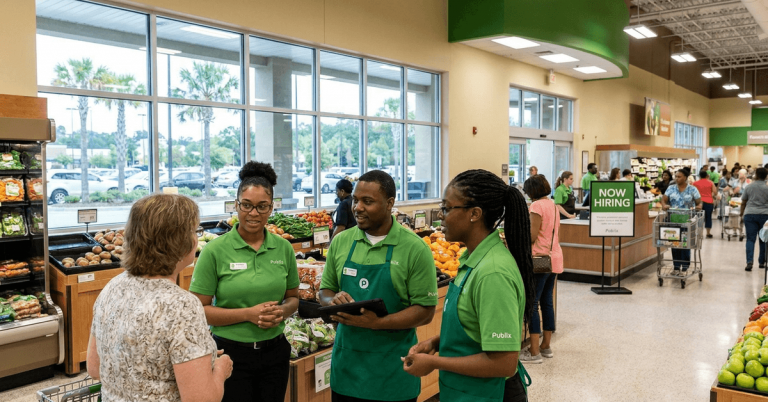
You picture a store clerk scanning groceries. Smile, beep, bag, repeat. The reality sitting behind that cash register is a lot more complicated than the job title suggests.
Czech retail runs on people who can do six things at once, stay polite under pressure, and remember which customer always buys Pilsner Urquell on Thursdays. That is a real skill. Nobody seems to say that out loud.
I think this role gets underestimated precisely because it is visible. Everyone watches a clerk work, but few people stop to think about what is actually happening behind that counter on a Tuesday morning.
The target reader here is someone seriously considering a store clerk position in the Czech Republic for the first time. This is what you actually need to know.
The Czech Retail Scene Is Not One Thing
Czech stores range from massive supermarket chains like Albert and Lidl to tiny neighborhood shops called potraviny that sell everything from bread to batteries. The clerk role looks different at each end of that spectrum.
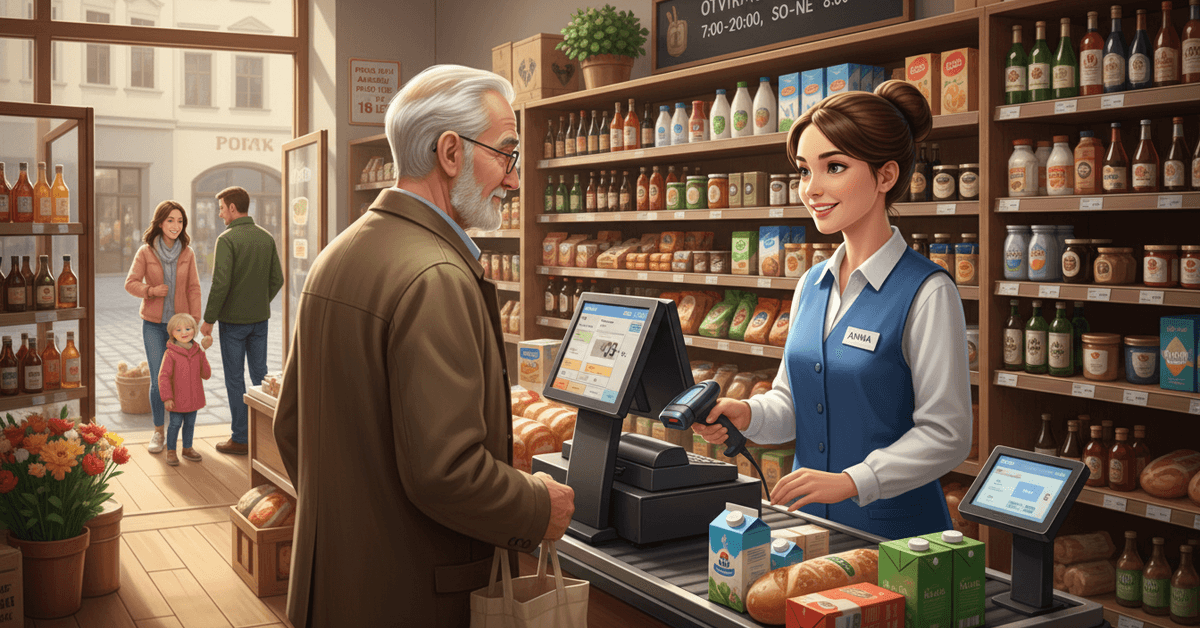
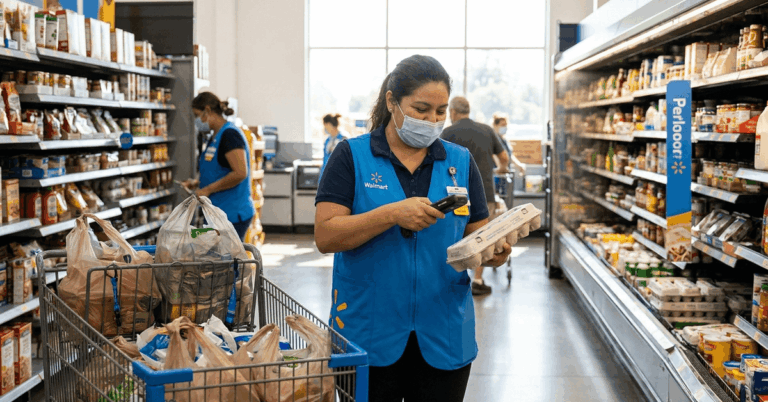
At a large chain, your shift might involve a structured POS system, a team of ten, and set break times. At a local corner shop, you might handle deliveries, run the register, answer questions, and mop up a spill, all before noon.
The job title is the same. The job is not.
Small Shop vs. Big Chain: What Actually Changes
| Factor | Small Potraviny | Large Chain Store |
|---|---|---|
| POS technology | Basic or manual | Digital, barcode scanners |
| Inventory tracking | Often manual counts | Software-managed systems |
| Team size | 1 to 3 staff | 10 or more per shift |
| Customer familiarity | High, regulars daily | Variable |
| Shift flexibility | Often irregular | Structured rotating shifts |
The main takeaway: if you want human connection and variety, the small shop wins. If you want clear systems and structured hours, the chain is a better fit.
What a Store Clerk Actually Does During a Shift
The bullet points on most job listings miss a lot. The real work splits into three types of activity, and switching between them constantly is part of the deal.
Customer Interaction: More Than Just Being Nice
The customer-facing part of the job is not just about politeness.
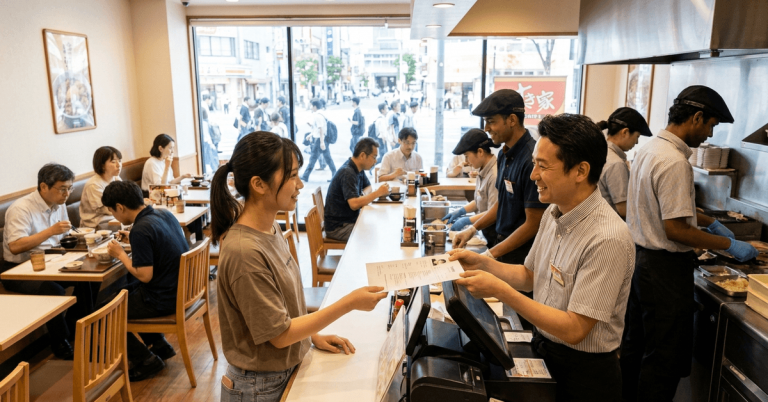
Regular shoppers at Czech neighborhood stores, particularly older residents, often treat brief interactions at the counter as part of their daily social routine. A clerk who handles that gracefully is providing something beyond a transaction.
I find this aspect genuinely interesting. Retail work in the Czech Republic carries a quiet social function that nobody writes into the job description.
Clerks at local stores often know their regulars by name and by preference. That relationship builds over months, not training sessions.
The core customer service responsibilities include:
- Answering product questions accurately and without impatience
- Handling complaints at the counter without escalating to management
- Processing cash, card, and mobile wallet payments without errors
- Verifying age on restricted purchases like alcohol and tobacco
That last one deserves its own section.
Age Verification and the Awkward Conversations Nobody Prepares You For
Czech law does not give clerks flexibility on age-restricted products. Alcohol, tobacco, and certain other items require ID checks, and a clerk who skips that step puts the business at risk of fines, not just a verbal warning.
The tricky part is that the law is firm and customers are not always cooperative. A regular who forgot their wallet might argue.
Someone who looks older than they are might take offense. These situations fall entirely on the clerk to manage calmly, firmly, and without causing a scene.
I would argue this is one of the most undertrained parts of the job. New clerks usually get a five-minute overview of Czech regulations on controlled goods during onboarding.
That does not prepare someone for a frustrated 40-year-old who cannot understand why they need to show ID for a six-pack. Czech retail compliance rules are covered under the Czech Trade Inspection Authority.
Stock, Deliveries, and the 6am Crate Problem
Shelf work sounds simple. Lift box, open box, put items on shelf. The version that happens in a real Czech store is more involved.
How Inventory Actually Works in Czech Retail
Deliveries at small stores often arrive early in the morning, sometimes before the store opens to customers. Clerks sort incoming stock, check for damage, verify quantities, mark prices, and rotate older items to the front of the shelf to limit spoilage.
At non-franchise locations, this process is mostly manual. There is no automated alert telling you that the yogurt expires Thursday and needs to be moved. You check the dates yourself. You track what is selling and what is sitting.
Larger chains use barcode-based inventory software, which reduces guesswork but introduces a different problem: system errors.
A product scanned incorrectly at delivery will cause a mismatch at checkout, and that lands on the clerk to explain to a confused customer.
The practical skills involved in stock work include:
- Reading and interpreting delivery manifests
- Rotating perishables correctly to cut waste
- Flagging price discrepancies before they reach the register
- Lifting and carrying crates, which is genuinely physical work
The Shift Length Reality
A standard Czech store clerk shift runs between six and ten hours. Staffing levels at smaller shops tend to be lean, meaning a single clerk might cover the floor alone for several hours.
That affects everything. A full register queue plus a delivery at the back door plus a customer question in aisle two is not a rare edge case. It is a Wednesday.
Technology Is Changing the Job Faster Than Training Can Keep Up
Larger Czech retailers have added barcode scanners, mobile inventory apps, and self-checkout stations over the past few years. I think the speed of that rollout is a genuine problem, and not because technology is bad for the job.
The issue is training lag. New systems go live. Staff get a brief walkthrough. Then the system updates and the walkthrough is already outdated. Clerks end up troubleshooting POS errors mid-transaction with a line behind them.
This is the piece most job listings do not mention: tech adaptability is now a real job requirement at major Czech retailers, not an optional extra.
The skills that are becoming more important at Czech stores according to current hiring patterns include:
| Skill | Why It Matters Now |
|---|---|
| POS system literacy | Errors at checkout cost time and accuracy |
| Basic digital tools (email, scheduling apps) | Store communications increasingly go digital |
| Language range (Czech, English, basic German) | Tourism and expat populations are growing |
| Attention to detail on inventory software | Reduces mismatches and customer complaints |
The Czech Ministry of Labour and Social Affairs publishes current labor standards and minimum wage guidance for retail workers.
The Contrarian Take on “Customer Service Is Everything”
A lot of retail advice tells new clerks to prioritize customer satisfaction above all else. I genuinely disagree with that framing, specifically because it sets up new clerks to absorb pressure that should belong to store management.
A clerk who bends the rules on age verification to avoid conflict is not good at customer service.
A clerk who skips shelf rotation to spend more time chatting is not being friendly. They are creating problems that show up later in spoilage reports and compliance fines.
The better mental model: operations accuracy first, warmth second.
A customer who gets the right change and finds the product they wanted in the right place will leave satisfied. That outcome comes from a clerk who did the less visible work correctly.

Questions People Ask About Czech Store Clerk Jobs
Q: Do Czech store clerks need to speak English? Czech language proficiency is the baseline requirement. English and basic German are increasingly listed as advantages, especially at stores in Prague and other tourist-heavy cities. Not knowing English will not disqualify you from most positions, but it does limit which stores will hire you.
Q: Are Czech retail shifts full-time or part-time? Both exist. Larger chains often offer structured full-time rotating shifts covering weekends and holidays. Smaller shops sometimes prefer part-time or flexible arrangements, particularly for morning delivery handling. Check the specific listing carefully because the hours vary widely.
Q: How strict are the Czech rules on selling alcohol and tobacco? Very strict. The Czech Trade Inspection Authority actively monitors compliance, and stores that repeatedly fail age verification checks face fines and possible license issues. Clerks are personally expected to request ID when in doubt, regardless of customer reaction.
Q: Is retail work in the Czech Republic physically demanding? More than most listings suggest. Crate deliveries, shelf restocking, and prolonged standing across six to ten hour shifts add up physically. Stores with lean staffing levels mean clerks rarely get to sit during a shift outside of official break periods.
Q: What is the biggest mistake first-time Czech retail clerks make? Underestimating inventory work. New clerks focus on the register and customer interaction, which makes sense since those feel urgent. Shelf rotation and stock accuracy seem less pressing until a spoilage problem or a checkout price mismatch shows up mid-shift.
Conclusion
A Czech store clerk job asks for more attention to detail than the title implies. Shift lengths, tech adaptability, and compliance rules all shape the daily reality. Getting the behind-the-scenes work right is what makes the customer-facing part look easy.
If that kind of layered, fast-moving work sounds interesting to you, the Czech retail job market in 2026 has more openings than most people realize.