Shopping malls across the Czech Republic are an enduring part of city life, from Prague’s busy centers to regional hubs.
Working as a retail sales associate here isn’t just another job. It’s an essential role that keeps these bustling spaces running smoothly.
But what actually happens behind the counters? Many people wonder what daily shifts look like, or which tasks take up most of a sales associate’s time.
This article explores the world of Czech shopping malls through the eyes of retail workers. If you’re curious about career options, or maybe even thinking of applying for a position, this guide offers a practical look at what to expect.
You’ll find out about shift patterns, common responsibilities, and typical workplace expectations. The goal: share advice that helps you decide if this line of work fits your lifestyle and ambitions.
Understanding the Role: What Does a Czech Retail Sales Associate Do?
Retail sales associates in Czech shopping malls handle numerous daily tasks. Their core responsibility is, of course, to support sales—but that’s hardly the whole story.
These workers create positive customer experiences, keep store environments inviting, and play a part in stock management.
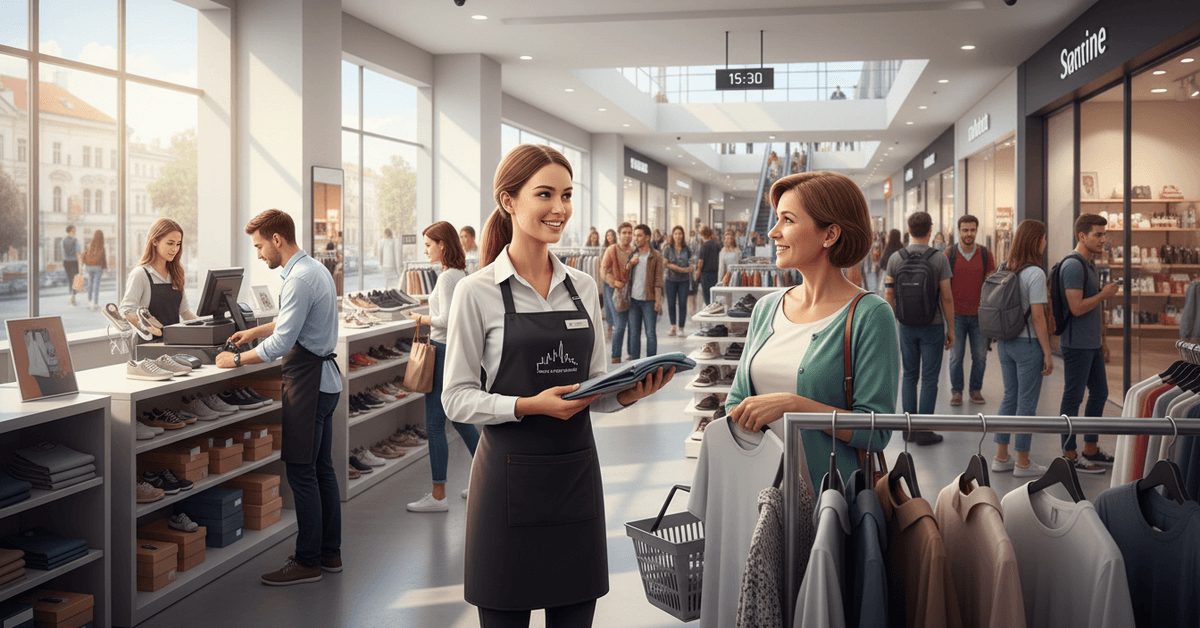
Welcoming and Assisting Customers
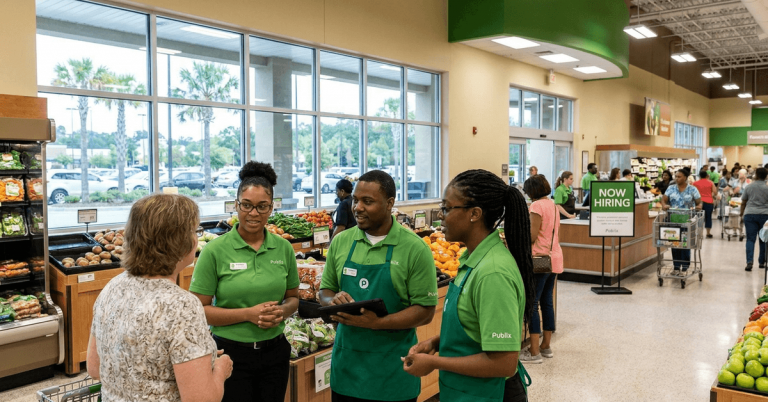
This is where most interactions begin. Associates greet shoppers, answer product questions, and sometimes give recommendations.
It sounds simple, yet every customer wants to feel valued. Associates need patience, a good product understanding, and, sometimes, problem-solving skills.
Product Knowledge and Stock Replenishment
Learning about the store’s inventory is critical. New arrivals, bestsellers, sizes, and even how to spot a counterfeit—these topics come up more than you’d expect.
Staff refill shelves, check expiry dates (especially for cosmetics or snacks), and handle occasional product returns.
Cashier Duties and Payment Handling
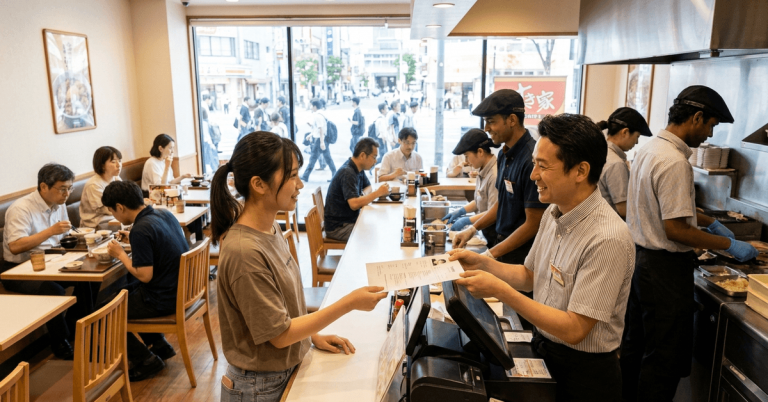
Most retail sales associates switch between sales floors and cashier stations. Payment processing involves Czech koruna, credit cards, and mobile wallets.
Sometimes, there are slight hiccups—technical glitches or unfamiliar payment methods—but adaptability helps.
Maintaining Shop Appearance
Cleanliness and order matter as much as friendliness. Associates tidy displays, sweep floors, and sometimes set up seasonal promotions. The aim is to create a welcoming first impression—for every shopper, every shift.
Security and Loss Prevention
While not security guards, staff keep an eye out for shoplifting and report suspicious activity. Training sessions occasionally cover identifying common scams or responding calmly to difficult situations.
Work Shifts in Czech Shopping Malls: Patterns and Schedules
The rhythm of a Czech shopping mall depends on store hours and shopper flow. Retail sales associates rarely have traditional 9-to-5 jobs. Instead, there’s rotation, flexibility, and, sometimes, unpredictability.
Common Shift Types
- Morning Shift: Often starts before opening to prepare displays, clean, and set up tills. Finishes in the early afternoon.
- Afternoon Shift: Peak hours are typically between 1 PM and 7 PM, with associates handling the busiest part of the day.
- Evening Shift: Responsible for closing down, reconciling tills, and ensuring everything’s ready for tomorrow.
- Weekend and Holiday Work: Not everyone prefers these shifts, but malls draw big crowds on weekends. Some positions rotate weekend commitments, while others require regular Saturday or Sunday shifts.
Part-Time vs. Full-Time Opportunities
| Contract Type | Hours/Week | Typical Uses |
|---|---|---|
| Full-time | ~40 | Long-term staff, career progression |
| Part-time | 8–30 | Students, supplementary income |
Students or parents sometimes ask about flexibility. Most major chains in the Czech Republic, like Tesco or H&M, offer adjustable schedules, but seasonal peaks (think holiday markets) may limit options.
Skills and Qualities: What Helps Associates Succeed?
Success in retail isn’t just about speed at the cash register. Many employers in Czech malls value traits such as communication, adaptability, and reliability. A smile helps, but so does the ability to juggle several demands at once.
Language Skills
Although Czech is the primary language, international malls—especially in Prague or Brno—appreciate associates who speak some English or German. It’s rarely a must, but it can open new doors.
Physical Stamina
Associates spend hours on their feet. Stocking, carrying boxes, and restocking shelves mean some days can be demanding. It isn’t backbreaking work, but footwear choice suddenly seems important.
Problem-Solving and Adaptability
Unexpected situations arise—maybe a product is missing, or a customer can’t decide between two items. Quick thinking solves these minor crises. Every day, there’s something new to learn.
Typical Pay and Benefits for Retail Workers in Czech Shopping Malls
Salary matters. The average retail associate in Czech malls earns between 25,000 Kč to 32,000 Kč monthly (gross), according to recent labor surveys. Some brands offer higher pay for senior staff or technical departments (such as electronics).
- Base wage, sometimes with overtime pay
- Meal vouchers or employee discounts
- Sick leave and paid time off (varies by employer)
- Holiday bonuses or performance rewards
For a more detailed comparison by brand or location, the Glassdoor Czech Retail Salaries page can be helpful.
Opportunities for Advancement and Further Learning
Some see retail as a stepping stone, but for others, it becomes a long-term path. Czech shopping malls offer internal training, product workshops, and management courses.
It’s not uncommon to move from shop floor to supervisor roles within a couple of years—if a person wants it.
Multinational brands often provide online learning modules. Associates who show initiative or excel in customer service are noticed. Some even shift into visual merchandising or human resources over time.
Legal and Workplace Rights for Mall Associates in the Czech Republic
Czech law protects retail workers in several ways: regulated breaks, overtime pay, and fair contract terms. The Labor Code requires a written employment agreement, transparency about work hours, and time off on public holidays (with exceptions for essential retail).
If you want a deeper dive into Czech employment laws, the official portal MPSV Labour Law gives current information in English.
Tips for Adjusting to Retail Work in the Czech Republic
- Wear comfortable shoes—you will thank yourself.
- Keep a reusable water bottle on hand (some shifts are busier than others).
- Practice standard greetings and product-related vocabulary.
- Don’t be shy about asking older colleagues for advice. Most are happy to share tips.
- Remember: Bad days happen, but one unhappy customer doesn’t define your effort.
Conclusion: Is Retail Work in Czech Malls Right for You?
Working as a retail sales associate in the Czech Republic isn’t always easy, but it rarely feels dull. Shifts can run long, and customers aren’t always cheery.
Yet there’s real satisfaction in helping someone find what they need or seeing a store run well because of your behind-the-scenes work.
Career growth, steady pay, and the day’s small interactions—it’s about balancing challenge with reward.
If exploring this world feels right, perhaps learning more about Czech retail jobs or even applying for a trial shift could clarify your next step. Sometimes, firsthand experience reveals more than any research can offer.