Are you curious about premium credit card options in the Czech Republic? As the Czech economy grows and lifestyles diversify, the world of banking—and access to advanced card products—has evolved fast.
This article dives into what’s offered for those seeking top-tier features, exploring who these cards actually serve and whether they’re worth considering.
If you’re curious about gaining more financial flexibility, understanding rewards schemes or simply tracking payment trends in Europe, you’re exactly the reader this post is for.
Understanding the Czech Credit Card Market in 2024
The Czech credit card landscape is a mix of traditional banking, digital fintech, and international brands.
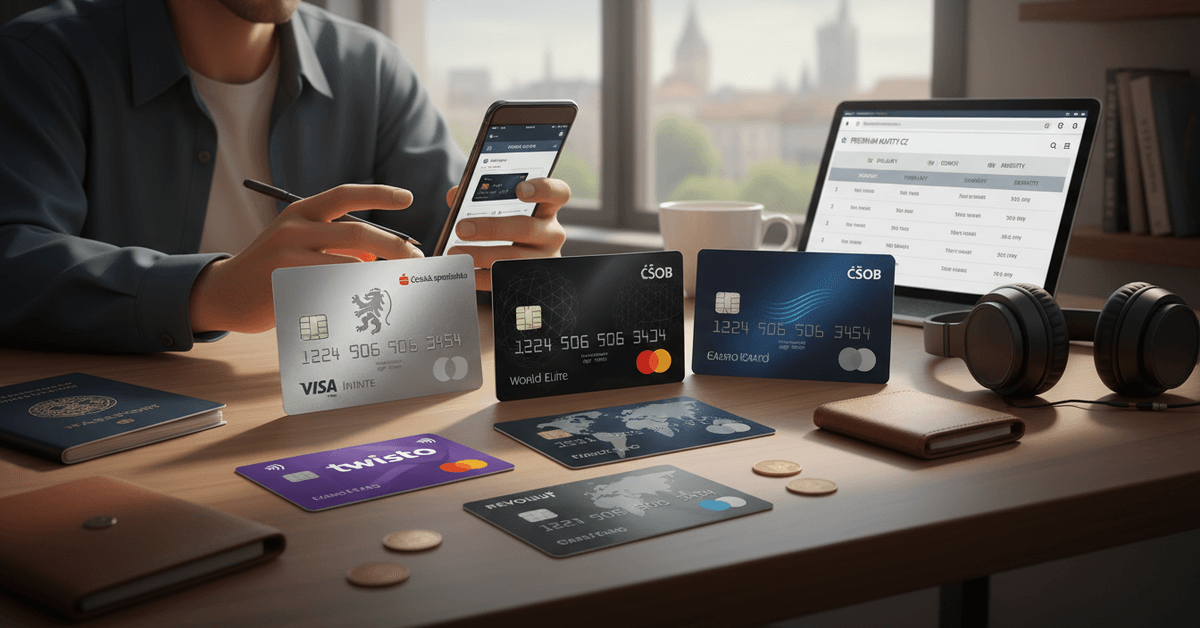
Larger banks such as Česká spořitelna, Komerční banka, and ČSOB hold the largest market share, though new players like Twisto and Revolut make their mark.
Access to premium credit cards here isn’t quite as widespread as in some Western countries, but consumer habits are slowly shifting.
Many Czechs remain cautious of revolving credit, valuing debit and prepaid cards for daily use. Still, with growing e-commerce and travel, there’s increasing demand for cards that offer more than mere payment convenience.

What Makes a Credit Card “Top-Tier”?
What actually sets a high-end credit card apart? Usually, it’s the blend of exclusive benefits. Think higher credit limits, dedicated customer service, extra security features, and, quite often, generous bonus programs.
- Rewards and Cashback – Premium cards tend to give back a percentage of your spending. The rates differ, but often start at 1% and may go higher for select categories.
- Travel Perks – This includes travel insurance, airport lounge access, and global assistance lines.
- Luxury and Lifestyle Extras – Concierge services, premium experiences, or invitations to special events are sometimes included.
- Higher Limits and Flexible Repayment – These give both convenience and a boost to your credit score if managed carefully.
Naturally, there are drawbacks. Premium cards in the Czech Republic typically require steady, above-average income and a solid credit history. Annual fees apply in most cases—although, for frequent users, the perks can outweigh the costs.
Main Providers of Premium Credit Cards in the Czech Republic
The best-known credit card issuers in the Czech Republic offer several premium options. Here’s a breakdown of what’s available and why you might consider each one.
Česká spořitelna (Erste Group)
This major player offers several premium cards, including the VISA Infinite . Benefits here focus on travel insurance, premium helplines, and a strong rewards scheme.
The application process is straightforward if you bank with them, but higher income verification is likely. Learn more on their official site.
Komerční banka
Known for the Platinum VISA and World Elite Mastercard , Komerční banka targets clients seeking significant added value.
Expect priority services, exclusive event access, and travel perks. Their cards are said to appeal most to business owners and frequent travelers.
ČSOB
ČSOB provides premium cards such as the Platinum Mastercard with a suite of insurances and assistance services. These are often bundled with extra layers of purchase protection and advanced digital management tools.
International and Digital Alternatives
Foreign players like Revolut and Curve offer Czech users access to premium prepaid cards with global benefits, though not always revolving credit. These cards compete with local banks in flexibility and app-based controls.
| Provider | Sample Card | Annual Fee (CZK) | Main Benefits |
|---|---|---|---|
| Česká spořitelna | VISA Infinite | ~7000 | Travel insurance, lounge access, VIP helpline |
| Komerční banka | World Elite Mastercard | ~7500 | Concierge service, global travel perks |
| ČSOB | Platinum Mastercard | ~6500 | Insurance bundles, purchase protection |
| Revolut | Metal Card | ~4200 | Global cashback, lounge, no FX fees |
*Note: Prices are approximate as of early 2024 and can vary by bank policy.
Key Eligibility Requirements
Typically, issuers check for stable income, a clean credit history, and, in some cases, a relationship with the bank.
While minimum monthly income for top-tier cards may exceed the average wage, there’s occasionally room for negotiation if you’re an existing premium client.
The application process may involve both online and in-person verification. This aims to ensure responsible lending, in line with Czech National Bank regulations.
If you’re worried about whether you qualify, banks sometimes offer free pre-assessment tools—useful, though not exactly reassuring for everyone.
Comparing Benefits: Are Premium Cards Worth It?
The decision really depends on your lifestyle. If you travel often, value personalized service, or use your card as a primary spending tool, the perks can certainly stack up.
On the other hand, many users report they barely use the more exclusive benefits—so paying the annual fee may not be justifiable for everyone.
- Travel insurance quality can vary; read the fine print before relying on it abroad.
- Rewards rates look appealing but often come with maximum monthly caps.
- Some presale event perks and elite experiences sound enticing… but may not always be relevant depending on personal interests.
Recent Trends: Digital Adoption and Contactless Services
One striking change in the Czech credit market is the surge in digital card management. Most banks—plus fintech competitors—provide advanced mobile apps for tracking spending, freezing lost cards, or accessing digital tickets for cards.
Contactless payments now dominate. According to the Czech Banking Association, over 90% of in-person card transactions in 2023 were tap-to-pay. This trend pushes providers to innovate further, embedding virtual card numbers and biometric security.
Security Features and Responsible Use
Premium cards often come equipped with advanced protection: real-time transaction alerts, EMV chips, and zero-liability fraud support.
Some cards also support digital wallets (like Apple Pay and Google Pay) to enhance both speed and security. Not all features are automatic—sometimes, you’ll need to enable these in your online banking interface.
Fees, Interest Rates, and Common Pitfalls
Annual fees for top Czech credit cards tend to be higher than standard cards. Interest rates, though, remain tightly regulated, generally falling between 15% and 24% APR (variable by issuer).
Remember: bonus programs might tempt you to overspend—be cautious with revolving balances as these accrue quickly.
Late fees and foreign transaction charges are rarely advertised upfront. Always check the terms of use and ask your issuer to clarify if you’re unsure. This is one of those details people sometimes overlook, which can lead to frustration down the road.
Final Thoughts: Who Benefits Most from Premium Czech Credit Cards?
In summary, premium credit cards can be an excellent tool for those who travel often, appreciate personalized perks, and spend enough to maximize rewards.
For occasional users, though, the annual fee isn’t always justified. Each major provider—whether traditional or digital—brings distinct strengths, so careful comparison makes sense.
Perhaps the real takeaway is that, in the Czech Republic, “premium” isn’t just about global status or prestige—it’s about finding the right match for your lifestyle.
If you want to understand more about digital payments or explore alternative card products, the Czech Banking Association remains a great resource.