The technical sector in the Czech Republic, especially roles like electricians, has seen growing interest in recent years.
Perhaps this reflects the country’s expanding infrastructure and consistent demand for skilled labor. It’s one of those careers that, while often underappreciated, truly uplifts society—every new office block, apartment, or factory requires careful, compliant electrical work.
For those considering work as an electrician in the Czech Republic, it’s worthwhile to understand the requirements, licensing steps, and general expectations for entry and advancement.
Whether you’re a local resident, a recent graduate, or even a foreign professional planning to move, navigating this sector can sometimes feel confusing.
Guidance on qualifications, training, and legal nuances might just save some headaches and surprises down the line.
Why Czech Electricians Are in High Demand?
Electrical roles aren’t just about wiring and fixing circuits. In the Czech technical sector, electricians are integral to safe innovation and modernization.
New construction projects, green energy installation, and tech upgrades all rely on qualified hands. There’s also a surprising need for maintenance and troubleshooting as older infrastructure ages.
So, what sets the Czech market apart? It’s not only the urban development pace, but also the regulatory environment, which carefully sets out who may or may not perform electrical work.
Safety and quality control push up the standards, shaping the profession’s requirements and recognition throughout the country.
Education and Training Requirements
Before pursuing an electrician license in the Czech Republic, formal education is usually the starting point. Most professionals start with a vocational secondary school focused on electrical engineering (“Střední odborné učiliště” or “Střední odborná škola”).
A typical program covers theory, safety, and hands-on practice, lasting three to four years. Graduates are often awarded the title “výuční list”—a kind of certificate of apprenticeship—which signals a baseline ability to handle professional tasks safely.
Specialized Courses
After secondary education, electricians can deepen their knowledge through advanced courses. These might cover specialties such as high-voltage systems, automation, or renewable energy installations.
Postgraduate and specialized training isn’t mandatory, but it can open doors to well-compensated roles or supervisory positions.
Providers range from vocational schools to private institutes, and certain larger employers even offer bespoke in-house training.
Continuous Professional Development
Learning doesn’t stop after initial schooling. Regulations encourage electricians to stay updated on safety protocols and evolving technologies.
Sometimes, this is a personal decision, but in other cases, employers may require periodic upskilling—especially when handling complex or high-risk tasks.
Professional growth here can feel gradual and incremental, but it’s generally acknowledged as necessary for long-term job security.
Legal Licensing and Certification Explained
Operating as an electrician in the Czech Republic involves a licensing process governed by several official bodies. The backbone is the Vyhláška č. 50/1978 Sb., a regulation dictating who can legally work with electrical installations.
Complying with this law means individuals must prove both their theoretical proficiency and practical experience. It’s possible to qualify at different certification levels, depending on the complexity and risk associated with their work.
Category Breakdown
The main licensing system divides electricians according to their expertise and responsibility:
- Class 1 (pracovník seznámený): Individuals aware of electrical risks, suited for basic, supervised tasks.
- Class 2 (pracovník poučený): Some knowledge of regulations, capable of safe basic work, usually as helpers or apprentices.
- Class 3 (pracovník znalý): Completed exams, demonstrated theory and practice, trusted to work independently on standard installations.
- Higher Classes (4–6): For supervisors, inspectors, or those responsible for highly complex/elevated-risk projects.
Upgrading to a higher level generally requires more training and passing specific examinations.
Exam and Application Process
To receive certification, candidates typically sit for a qualifying exam administered by an authorized commission. Exams cover safety regulations, law, wiring rules, and practical troubleshooting.
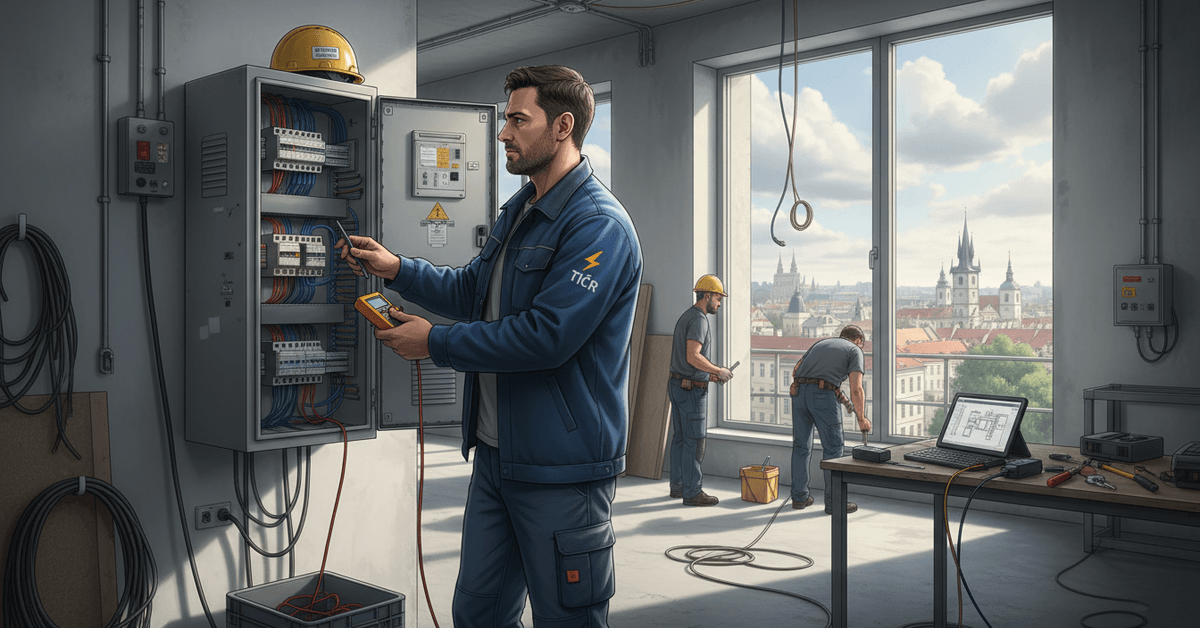
The regulatory body most often cited for this process is Technická inspekce ČR (TIČR), which handles oversight and quality control for technical professions. More information is available from the official TIČR website .
Applicants usually need to submit documents, proof of practice, and certificates of completed studies, then pass both written and oral assessments. Renewing the license or moving up the scale may involve repeat testing every few years.
Working as an Electrician: Roles and Opportunities
Once licensed, electricians in the Czech Republic can explore several career paths:
- Private contracting (self-employed or as part of a firm)
- Large construction projects—public and private
- Specialist roles (e.g., industrial automation, maintenance in factories, green energy installation)
- Facility management and ongoing property maintenance
These roles may vary not just in focus, but also in terms of working conditions and pay. Some electricians mention that shift work, travel, or outdoor projects are occasionally required. However, many value the variety and real-world impact of their labor.
Salary Expectations
Salaries for electricians in the Czech Republic vary widely, influenced by experience, location, and role complexity.
Prague and Brno, as urban centers, usually offer higher wages compared to rural or small-town settings.
According to recent data, entry-level electricians might expect monthly salaries around 30,000 CZK (~1,200 EUR), with experienced or specialized professionals potentially earning 45,000–60,000 CZK (~1,800–2,400 EUR) or more. Overtime, bonuses, or freelance work can increase these figures.
For those curious about earning comparisons, a quick glance at salary benchmarking sites like Paylab.cz might help set realistic expectations.
Legal Responsibilities and Compliance
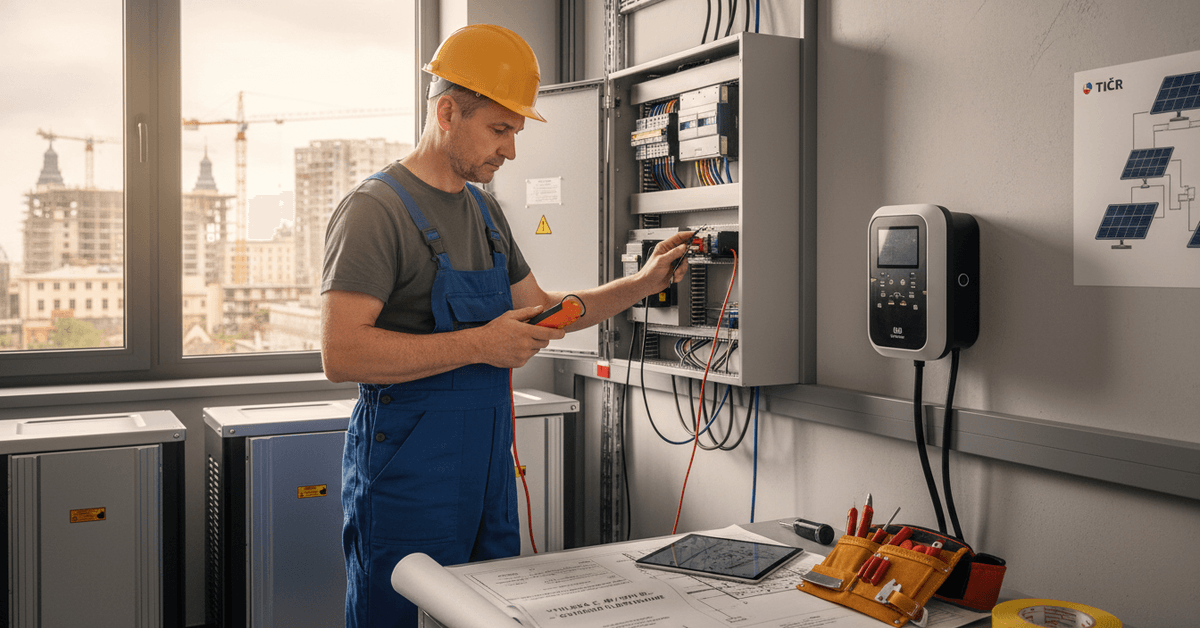
The technical sector operates within a strict safety and legal framework. Electricians, regardless of whether they work independently or as employees, must ensure all installations meet government-mandated standards.
This might sound daunting, but the rationale is clear: low-quality or improper wiring can lead to devastating accidents or fires.
Authorities may run routine inspections, and penalties for non-compliance can range from warnings to license withdrawal and, rarely, legal prosecution.
Insurance and Protection
Practicing electricians are usually strongly advised (and sometimes obliged) to carry professional liability insurance. This provides a financial safety net if damage or injury results from work performed.
Large companies will often have umbrella policies, but self-employed contractors typically must manage their own coverage.
Recognizing Foreign Qualifications
What if someone has electrician credentials from another country and wants to work in the Czech Republic?
Generally, foreign professionals can apply for recognition of their existing qualifications. However, the process isn’t always quick.
Key steps usually include:
- Document translation and legalization
- Assessment of compatibility with local standards
- Supplementary exams if required
Sometimes, substantial work experience can ease the transition, but a local licensing exam is usually mandatory. The Czech Ministry of Education or the TIČR can provide advice in these situations.
Final Thoughts on Electrician Careers
Working as an electrician in the Czech Republic can offer steady demand, practical career growth, and access to specialized technical roles.
The path usually requires formal training, certification, and a strong understanding of safety rules. Applicants should prepare documents carefully, follow licensing requirements, and stay updated on changing standards.
For local and foreign workers, this career can be rewarding when approached with proper preparation and legal compliance.