Paying €40 or €50 a month just to watch one league feels ridiculous. And if you follow two or three sports, the bills stack up faster than halftime scores.
The price of sports streaming has climbed steadily since 2024, and 2026 is no different. Rights deals keep getting more expensive, and platforms pass every cent of that cost straight to subscribers.



But a growing number of fans are finding smarter ways to watch. Affordable sports streaming options do exist, and they don’t require shady websites or giving up the sports you care about.
This breakdown covers the strategies, platforms, and tactics that can shrink your monthly streaming bill while keeping your favorite leagues on screen.
Why Sports Streaming Keeps Getting More Expensive
Rights Deals and the Price Spiral
Every time a broadcast contract comes up for renewal, the bidding war drives prices higher. Football, motorsports, basketball, tennis: the pattern repeats across all of them. Platforms pay more for rights, and that cost lands on the monthly bill.
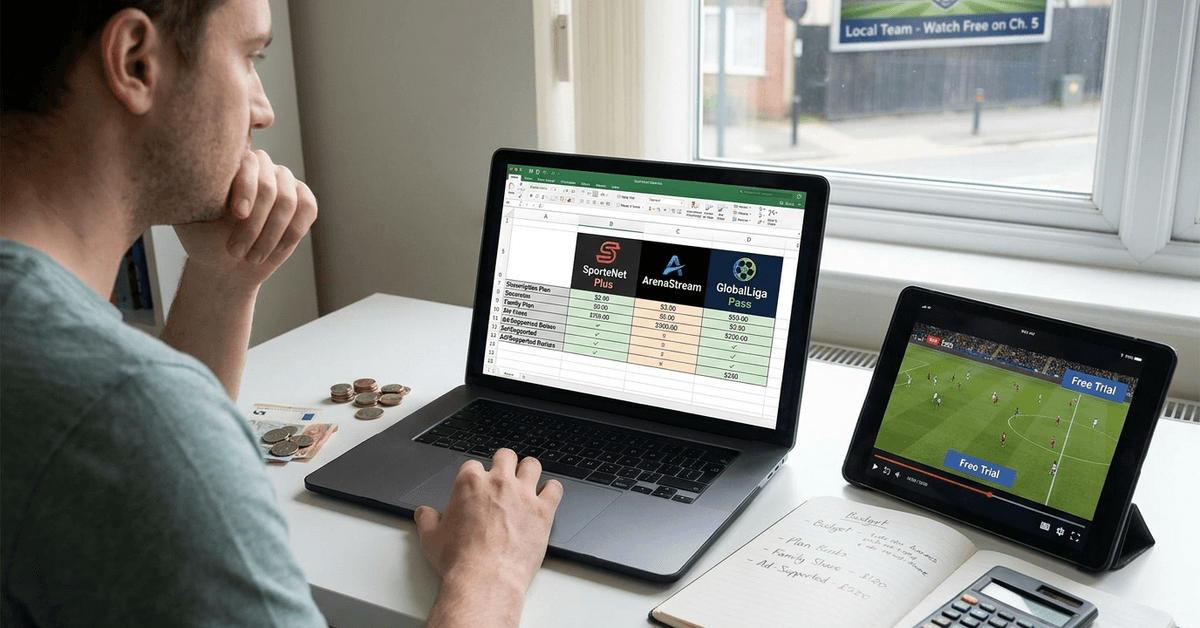
The frustrating part? A lot of subscribers pay for massive channel packages when they only care about one or two sports.
I think the bundled subscription model is one of the worst deals in streaming right now, because the raw math on a motorsports-only direct league subscription versus a mega-bundle showed a clear cost difference in the raw content I reviewed.
Bundles are designed to charge you for content you skip past.
That leads to an obvious question: why do so many guides tell fans to “get a bigger bundle for better value per channel”?
My contrarian take: stop buying bundles. A single direct league subscription for the sport you follow most, rotated seasonally, will cost less per year than any bundle. The conventional advice assumes you watch everything. Almost nobody does.
Cheap Sports Streaming Options That Work in 2026
Several categories of affordable sports streaming have matured enough to be real alternatives. Not all of them suit every fan, but knowing what exists gives you leverage when your current subscription renewal hits.
Ad-Supported Platforms Worth Trying
Some legitimate services offer free or low-cost access funded entirely by advertising. The tradeoff is obvious: commercial breaks. But a 30-second ad between plays is a minor inconvenience compared to paying €30+ per month.
These platforms tend to perform best in European, Latin American, and Asian markets, where licensing structures leave room for ad-funded models.
The coverage may lean toward regional leagues rather than top-tier events, but for fans who follow multiple sports, the breadth can be surprising.
A few things to check before committing to an ad-supported platform:
- Stream reliability: read user reviews about buffering and downtime during peak events
- Legal status: stick to platforms that hold proper broadcasting rights in your country
- Sport selection: some ad-supported services cover mostly local leagues, so verify your sport is included
- Device compatibility: confirm the app works on your TV, phone, or laptop before counting on it
Direct League Subscriptions: The Overlooked Option
Sports leagues have started offering their own streaming services, and these direct-to-consumer platforms often cost less than third-party bundles. The reason is simple: no middleman markup.
The catch is that coverage is limited to that league’s events. No crossover into other sports, no entertainment add-ons, no filler channels. For some fans, that limitation is the whole point.
I would pick a direct league subscription over a bundle for motorsports specifically, because one fan in the source material followed an entire championship season through a league’s own platform and found it clearly cheaper than any mega-bundle option.
The stream quality was decent, the price was right, and the only downside was missing out on pre-race punditry from external broadcasters.
Regional Apps and Local Broadcasters
Local broadcasters in many countries run apps or web portals that stream certain matches for free or at very low cost.
These are geo-restricted, meaning access depends on your physical location, but they are among the most overlooked bargains in sports streaming.
National federations and smaller leagues sometimes stream less-popular games directly on their websites. The production quality varies, but the price (often zero) makes it worth checking.
Bundled Packages: When They Make Sense
I criticized bundles earlier, and I stand by that for single-sport fans. But if your household genuinely watches three or more sports plus entertainment content, a customizable bundled package can work.
The trick is choosing providers that let you adjust which channels or sports packages you include. Pay only for the coverage your household watches. If a provider forces an all-or-nothing package, walk away.
| Streaming Option | Typical Monthly Cost | Sport Coverage | Flexibility |
|---|---|---|---|
| Ad-Supported Platform | Free to €5 | Regional leagues, select international events | High: cancel anytime |
| Direct League Subscription | €5 to €15 | Single league or championship | Medium: tied to season schedule |
| Regional Broadcaster App | Free to €3 | Local matches, national events | High: often no contract |
| Customizable Bundle | €20 to €40+ | Multiple sports and entertainment | Low to medium: depends on provider |
The takeaway: single-sport fans save the most money by going direct, while multi-sport households should compare customizable bundles against stacking two or three direct subscriptions.

The Rotation Strategy for Sports Streaming
How Seasonal Switching Saves Real Money
No sport runs 12 months a year. Football seasons end. Tennis tours have gaps. Motorsport championships wrap up by December.
The rotation strategy means subscribing to one service during your sport’s active season, then canceling or pausing when it ends. Sign up again when the next season starts, or switch to a different platform for a different sport’s season.
This approach takes a bit of planning, but the savings are real. A fan who subscribes to three services year-round at €15 each pays €540 annually.
The same fan rotating between those three services, four months each, pays €180. That gap is hard to ignore.
A few precautions to keep the rotation strategy working:
- Set cancellation reminders the day you subscribe, not the day before the trial ends
- Read the cancellation policy for each platform: some charge early termination fees
- Track your subscriptions in a spreadsheet or app so nothing auto-renews by accident
- Check if pausing is an option because some providers let you freeze your account instead of canceling
Sharing Accounts: What Platforms Allow
Splitting a subscription with family or friends is one of the oldest tricks for cutting streaming costs. Some platforms still allow multi-household access on a single account, though the trend is moving toward stricter enforcement.
The distinction matters. Account sharing that violates terms of service risks losing access entirely. Check the platform’s policy before splitting costs.
If the plan explicitly supports multiple users or household members, it’s a safe and effective way to cut your bill in half.
Staying Safe While Streaming Sports on a Budget
Cheap does not have to mean risky. But the temptation to use unofficial streams is real, especially when a match you want is locked behind an expensive paywall.
Unofficial streams carry two problems: legal risk and security risk. Many of these sites run intrusive ads, pop-ups, and scripts that can install malware on your device.
The few euros saved on a subscription are not worth a compromised laptop or stolen login credentials.
Stick to platforms that hold proper broadcasting rights and comply with digital safety standards. Google Safe Browsing is a useful tool for checking whether a streaming site has been flagged for unsafe behavior.
Geo-Restrictions and What They Mean for Pricing
Pricing for sports streaming varies dramatically by country. Fans in Eastern Europe, parts of South America, and Asia often pay significantly less for the same content that costs €30+ in Western Europe or North America.
This happens because of regional licensing deals and local purchasing power adjustments.
If you live in or travel to these regions, the budget streaming options available to you may be far better than what’s offered in Spain, Germany, France, or Portugal.
The flip side: geo-blocking means a cheap subscription purchased abroad may stop working when you return home.
Check whether your service works across borders before relying on it during travel. UEFA’s official streaming page is one example of a rights holder that adjusts access by location.
Questions People Ask About Affordable Sports Streaming
Q: Are ad-supported sports streaming platforms safe to use? Ad-supported streams from recognized broadcasters are generally safe. The risk comes from unknown sites with aggressive pop-ups or download prompts. Stick to platforms you can verify through app stores or official broadcaster websites.
Q: Do cheap sports streaming services have worse video quality? Not always. Many lower-priced and ad-supported platforms still deliver HD streams. The main tradeoff tends to be a slight delay compared to premium services, sometimes a few seconds behind live action. For casual viewing, the difference is barely noticeable.
Q: Can I use affordable streaming services while traveling abroad? Geo-blocking affects most budget-friendly services. Access may change depending on your location and local licensing agreements. Check the platform’s FAQ or terms of service for details on international access before you leave.
Q: Is it legal to share a streaming account with friends? Legality depends on the platform’s terms. Some services explicitly allow multiple users on a single plan. Others have started cracking down on password sharing. Always read the account-sharing policy before splitting costs to avoid losing access.
Q: How do I find out which sports streaming deals are available in my country? Search for your country name plus the sport or league you follow, along with “streaming” or “live.” National broadcasters and league websites often list their official streaming partners by region, and those listings are the most reliable starting point.
Conclusion
Affordable sports streaming in 2026 comes down to strategy, not sacrifice. Rotating subscriptions seasonally, choosing direct league platforms, and checking regional options can cut your bill significantly.
The fans paying the least are not watching less: they are just buying smarter. Pick the approach that fits your schedule, set those cancellation reminders, and stop overpaying for channels you never open.