Bringing a bit of greenery into your home doesn’t just make it prettier—it can also boost your mood, clean the air, and create a calming atmosphere.
But keeping indoor plants alive and thriving requires more than just watering them once in a while.



This guide breaks down the essentials of caring for indoor plants and provides practical tips for long-term success.
The Importance of Understanding Your Plant’s Needs
Before diving into care tips, it’s important to know that different plants have different needs. What works for a succulent might harm a fern.
That’s why identifying your plant species is the first step. Most plants sold in stores have tags or labels with their names.
If not, free apps like PlantNet or PictureThis can help you identify them with a photo.
Each plant has specific requirements for light, water, humidity, and soil. If you know what your plant needs, you’re already halfway to keeping it healthy.
Light: Understanding Placement and Exposure
Light is one of the most important factors in plant health. Indoor plants fall into three general categories:
- Low light (e.g., snake plant, pothos)
- Medium light (e.g., peace lily, spider plant)
- Bright/indirect light (e.g., fiddle leaf fig, succulents)
Plants that need bright light usually thrive near south- or west-facing windows. Those that prefer low light are better suited for corners or north-facing windows.
Be cautious with direct sunlight—some plants, especially those with thin or delicate leaves, can get scorched.
If your home doesn’t get much natural light, consider using a grow light.
LED grow lights, like those offered by GE Lighting, mimic the spectrum of natural sunlight and can keep plants healthy in darker spaces.
Watering: Avoid Overwatering and Underwatering
One of the most common mistakes plant owners make is overwatering.
A plant’s roots need oxygen as much as they need water, and too much moisture can lead to root rot. Here are some general rules:
- Check the soil before watering. Stick your finger about an inch deep—if it’s still moist, wait a few days.
- Use pots with drainage holes to prevent water from pooling at the bottom.
- Establish a routine, but don’t water on a strict schedule. Water needs vary depending on the season, plant type, and indoor climate.
For example, succulents and cacti need water only once every two to three weeks, while tropical plants may require weekly watering, especially in warm or dry homes.
Humidity and Temperature
Indoor environments, especially with heating or air conditioning, can be drier than what many tropical plants prefer.
If your plant’s leaf tips are turning brown or curling, low humidity might be the cause.
- Group plants together to create a humid microclimate.
- Mist plants occasionally (though this is a temporary fix).
- Use a humidity tray: Place a shallow tray of water with pebbles beneath the plant’s pot.
- Use a humidifier to raise the overall humidity in the room.
Most indoor plants prefer temperatures between 65–75°F (18–24°C) during the day and a bit cooler at night.
Avoid placing plants near heat vents, radiators, or drafty windows.
Soil and Fertilizer
The type of soil your plant grows in affects its health just as much as light or water.
Standard potting soil is fine for many houseplants, but some require special mixes:
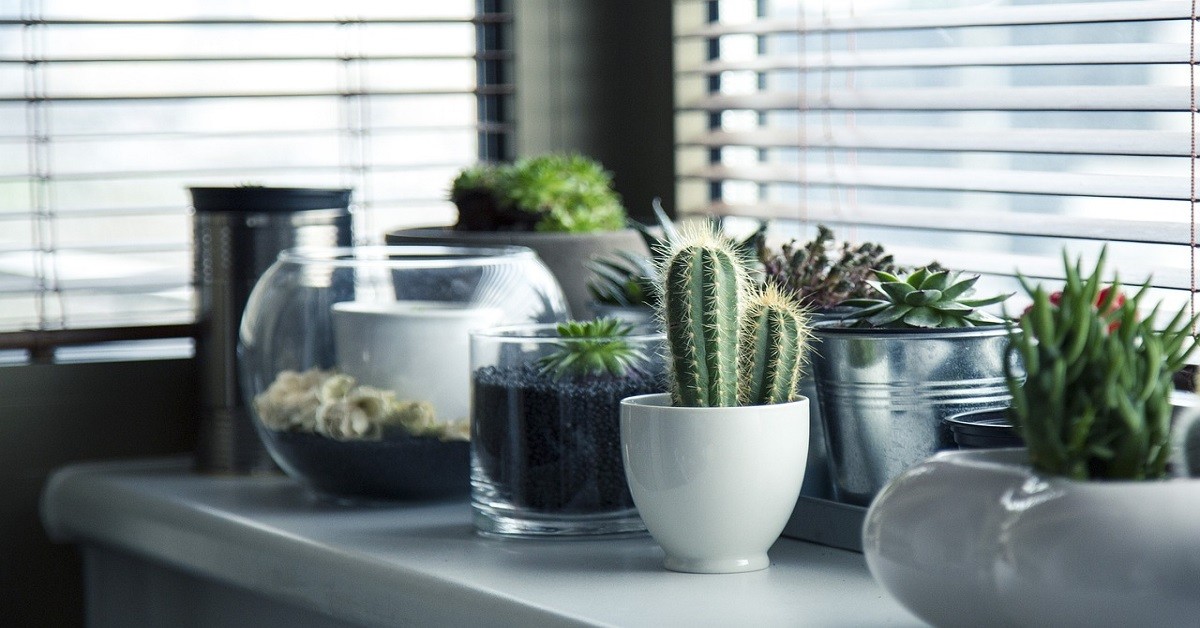
- Succulents and cacti need fast-draining soil with sand or perlite.
- Orchids grow best in a bark-based mix.
- African violets prefer a slightly acidic soil mix.
Fertilizer provides essential nutrients that might not be present in indoor soil.
Most houseplants benefit from a balanced, water-soluble fertilizer applied every 4–6 weeks during the growing season (spring and summer).
In fall and winter, many plants go dormant and don’t need feeding.
For guidelines, the University of Vermont Extension has a helpful fact sheet on fertilizing houseplants.
Pruning and Cleaning
Dead or yellowing leaves can sap energy from your plant. Regular pruning helps plants focus energy on new growth and maintain a healthy shape.
- Remove dead leaves and spent flowers with clean scissors or pruners.
- Wipe leaves gently with a damp cloth to remove dust and improve photosynthesis.
- Pinch back leggy stems to encourage fuller growth.
This maintenance routine doesn’t take long but makes a big difference in your plant’s appearance and health.
Common Problems and How to Fix Them
Even with good care, indoor plants can face issues. Here are a few common signs and what they usually mean:
- Yellowing leaves: Overwatering or poor drainage.
- Brown tips: Low humidity or salt buildup in soil.
- Wilting: Can mean either underwatering or overwatering—check the soil.
- Sticky residue or white fuzz: Could indicate pests like mealybugs or spider mites. In this case, isolate the plant and clean the leaves with neem oil or insecticidal soap.
The University of Missouri Extension provides detailed tips on identifying and treating houseplant pests.
Repotting: When and How
Plants eventually outgrow their containers. If you see roots coming out of the bottom, or your plant dries out quickly after watering, it might be time to repot.
- Choose a pot 1–2 inches wider than the current one.
- Use fresh soil, especially if the old mix is compacted.
- Gently loosen the roots and place the plant at the same depth as before.
Repotting is best done in the spring when plants are actively growing.
Most Common Indoor Plants
These are popular for a reason—they’re beautiful, low-maintenance, and adapt well to indoor environments.
1. Snake Plant (Sansevieria)
- Light: Low to bright indirect light
- Water: Every 2–3 weeks
- Why it’s loved: Tough, drought-resistant, and great for beginners. Also filters air (NASA study).
2. Pothos (Epipremnum aureum)
- Light: Low to medium indirect light
- Water: Once a week or when the soil is dry
- Why it’s loved: Fast-growing vine that’s hard to kill.
3. Peace Lily (Spathiphyllum)
- Light: Medium to low light
- Water: Weekly; likes moist soil
- Why it’s loved: Blooms indoors and purifies the air.
4. ZZ Plant (Zamioculcas zamiifolia)
- Light: Low to bright indirect light
- Water: Every 2–3 weeks
- Why it’s loved: Super low maintenance, almost unkillable.
5. Spider Plant (Chlorophytum comosum)
- Light: Bright indirect light
- Water: Once a week
- Why it’s loved: Grows little baby plants (“pups”) and adapts easily.
6. Monstera (Monstera deliciosa)
- Light: Bright indirect light
- Water: Once a week
- Why it’s loved: Iconic “Swiss cheese” leaves and dramatic growth.
7. Succulents & Cacti
- Light: Bright, direct sunlight
- Water: Every 2–3 weeks or less
- Why they’re loved: Compact, trendy, and require minimal watering.
Final Thoughts: Observation is Key
Indoor gardening is as much about patience and learning as it is about routine.
If you’re just getting started, begin with easy-care varieties like pothos, snake plants, or peace lilies.
They’re resilient and forgiving, making them perfect for beginners. With consistency and care, even first-time plant parents can build a thriving indoor jungle.