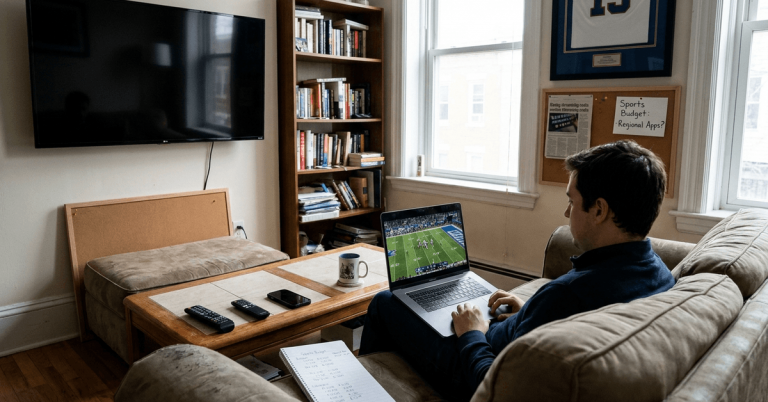
Remote work has become standard for many businesses worldwide. Some employees adapted early. Others are still adjusting.
This setup isn’t always smooth. Common issues include distractions, isolation, and reduced output. Collaboration also suffers without in-person interaction.



Here’s how to stay productive while working from home.
1. Set Working Hours That Match Your Energy and Lifestyle
Having a defined schedule is critical when working from home. It brings structure, boosts focus, and supports mental clarity. The goal is to align your workday with your natural energy patterns and personal responsibilities.
Plan Each Day with Clear Time Blocks
Lay out your daily tasks before starting work. Assign time slots for deep-focus tasks, meetings, and admin work. Use scheduling apps like Clockwise or similar tools to manage your calendar and give your team visibility into your availability.
Focus During Peak Energy Times
Identify when you’re most alert—early morning or afternoon—and schedule the hardest tasks during those hours.
Following your own energy patterns helps you work smarter. Apply the 80/20 rule: get the most valuable work done during your highest-energy period.
2. Choose a Remote Work Style That Fits You
There’s no one-size-fits-all schedule for working from home. Depending on your role, energy levels, and personal obligations, pick a work format that keeps you productive.
Common Work-From-Home Schedules:
- Fixed Schedule – Same start and end times daily
- Flex Time – Set core hours with flexibility before and after
- Compressed Week – Full-time hours in fewer days
- Split Shifts – Divide work into two or more segments
- Freelance/Nomadic – Adjust to client needs or personal preferences, often without fixed hours
Remote work worldwide allows you to tailor your setup. Use that flexibility to create a schedule that works for your goals and responsibilities. The right structure helps maintain focus and supports long-term success in a home-based role.
3. Use Tools and Communication to Coordinate at Home
Staying organized with family helps you focus better on work. Set up basic systems so that everyone knows what’s happening and when.
Set Household Boundaries During Work Hours
Avoid loud music, TV, and non-essential chatter when you’re working. Let the house know these things can wait until your break or end of the workday.
Share Schedules and Align Responsibilities
Use a shared digital calendar to list meetings and focused work periods. Sync with your partner on childcare, errands, or shared tasks. A quick check-in each morning can keep everyone on track.
Flag Virtual Meeting Times
Let others know when video calls are scheduled. Post it on the calendar or send a message. This avoids unexpected interruptions or background noise during key meetings.
Manage Speaker Use and Noise Levels
If a speakerphone is necessary, make sure it doesn’t disrupt others. Ask the same consideration in return. Keep background noise to a minimum when meetings are in progress.
Coordinate Break Time Interactions
Take short breaks to reset, but align these with home routines when possible. Let your family know when you’re available to talk, help, or handle quick tasks.
4. End the Workday with a Clear Routine
Working from home can blur the boundary between work and personal life. A structured end-of-day routine keeps that line in place and helps prevent burnout. Consistency is key.
Set a Hard Stop Time
Pick a specific time to wrap up each day. Avoid letting work stretch into your evening. Stopping on time helps set a clear limit and supports a healthier remote routine.
Reset Your Workspace
Use the last few minutes of your day to clean up. A tidy workspace makes it easier to start strong tomorrow.
- Secure Work Files – Back up anything important and close open tabs or apps.
- Clear the Desk – File documents, wipe down surfaces, and reset your space for the next work session.
Reflect Briefly on Progress
Take a minute to review what got done. Even partial progress matters. Write down wins to build momentum and stay motivated.
Prep for Tomorrow
List key tasks for the next day. Prioritize what matters most. This short list keeps you focused when you start again and reduces morning stress.
5. Create a Shutdown Routine That Signals “Work Is Over”
Ending the day isn’t just about turning off your laptop. Build habits that tell your brain the workday is done.
Shut Down Intentionally
Turn off your computer. Close your office door, if you have one. If not, clear your work area to switch modes.
Switch Gears Mentally and Physically
Change out of work clothes. Do something unrelated to work—cook, walk, read, anything that helps reset your mindset.
Use Mindful Practices if Needed
A short breathing exercise or a few minutes of meditation can help disconnect from work stress and transition into personal time.
6. Make Exercise a Non-Negotiable Part of Remote Work
Working from home often leads to long hours of sitting and reduced movement. Regular physical activity directly supports mental clarity, focus, and long-term health. It’s essential—not optional—for staying sharp and productive worldwide.
7. Move Smart During the Day
Use simple tactics to stay active, even in a tight space.
- Set Movement Reminders – Use apps or timers to stand up and stretch every hour.
- Book Workouts Like Meetings – Add fitness sessions to your calendar and treat them as non-negotiable.
- Join Online Classes – Access virtual training for structure and motivation.
- Use Short Workout Bursts – Do 5–15 minute sets of squats, push-ups, or stretches between tasks.
- Pick Activities You Like – Whether it’s yoga, kickboxing, or dancing, motivation improves when you enjoy the workout.
- Invest in Convenience – Consider compact home equipment like resistance bands, a mat, or a foldable treadmill.
8. Stick to the Global Baseline
Follow international health guidelines: 150 minutes of moderate activity or 75 minutes of vigorous activity per week. Break this down into manageable sessions during the week.
- Cardio at Home – Climb stairs, jump rope, or follow HIIT videos.
- Strength Training – Use dumbbells, resistance bands, or bodyweight routines twice a week.
- Stretching or Yoga – Daily flexibility exercises help reduce stress and improve posture.
9. Take Breaks That Actually Help You Reset
When working from home, skipping breaks leads to burnout fast. Regular pauses aren’t just helpful—they’re necessary. A solid break strategy helps protect focus, reduce fatigue, and keep energy steady throughout the day.
Use Timed Intervals That Match Your Focus Level
Most people focus well for 90 minutes before needing a pause. Set timers to remind yourself to step away.
Try the Pomodoro Technique—25 minutes of work and 5 minutes off. If you can stay locked in longer, aim for a break every 2–3 hours.
Find the rhythm that works. The goal is to step away before mental fatigue sets in—not after.
10. Dress Intentionally to Stay Focused and Ready
Clothing impacts your mindset more than you think. Remote work worldwide doesn’t remove the need to look and feel prepared. Dressing well sharpens focus, boosts confidence, and keeps you ready for any interaction, especially online meetings.
Dress Signals Work Mode
What you wear affects how you think. Choosing smart-casual clothes—like a clean shirt or light blazer—helps your brain shift into work mode.
Avoid overly casual wear like pajamas during work hours. You don’t need to go formal. Just pick outfits that separate work from relaxation.
Pick Colors That Work on Camera
For those constantly on video calls, your color choices matter:
- Yellow boosts creativity and energy.
- Red sends confidence and strength—ideal for leadership roles.
- Green or Orange gives an energetic, positive vibe—great for brainstorming.
Avoid loud patterns or outfits that look too relaxed. Keep it professional to match company standards and make a strong impression.
Conclusion
Staying productive while working from home requires structure, self-awareness, and clear boundaries.
With the right habits—like setting working hours, managing distractions, and prioritizing well-being—remote work can be both efficient and sustainable.
Apply these strategies to maintain focus, protect your energy, and thrive in a home-based work environment.